
Morocco 2026 shows future of African football is already taking shape
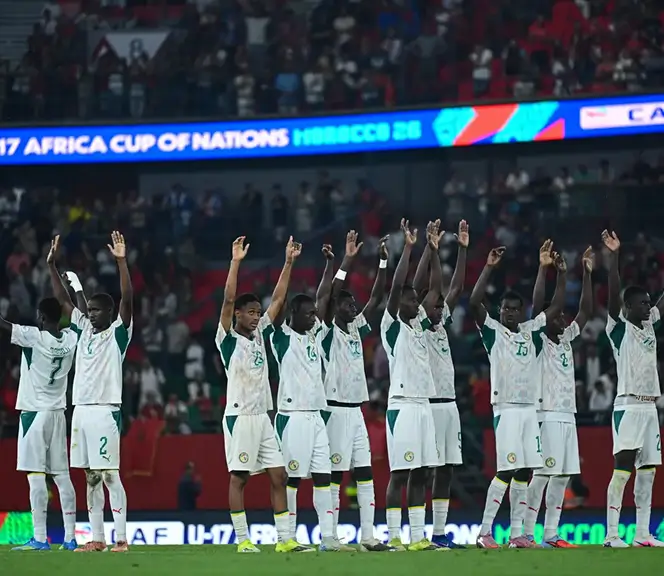
For decades, African football has been described as “the future.” The continent has consistently produced world-class talent, passionate supporters, and unforgettable moments on the global stage. Yet the conversation often centered on potential rather than sustained excellence.
At the 2026 FIFA World Cup, Morocco is proving that the future has already arrived.
The Atlas Lions have once again demonstrated that their remarkable run to the semi-finals in Qatar four years ago was not a one-off achievement. Instead, it marked the beginning of a new era, one built on long-term planning, elite player development, tactical discipline, and unwavering belief.
More Than a Golden Generation
One of the biggest misconceptions after Morocco’s historic 2022 campaign was that it relied solely on an exceptional generation of players. While stars like Achraf Hakimi, Sofyan Amrabat, and Yassine Bounou became household names, the foundation was much deeper.
Morocco invested heavily in football infrastructure years before the world noticed. Modern academies, improved coaching standards, and a deliberate strategy to integrate talented players from both domestic football and the Moroccan diaspora have transformed the national team into one of Africa’s most complete footballing projects.
That investment is paying dividends again in 2026.
African Teams Are Closing the Gap
What makes Morocco’s performances particularly significant is what they represent for African football as a whole.
Gone are the days when African nations entered major tournaments simply hoping to cause an upset. Today’s leading teams arrive expecting to compete with the world’s elite.
The tactical gap has narrowed considerably. African coaches and players are increasingly comfortable adapting to different styles of play, whether facing technically gifted European sides or physically demanding South American opponents.
Morocco exemplifies this evolution. They defend with structure, attack with confidence, and possess the composure needed to manage high-pressure matches.
A Blueprint Others Can Follow
Morocco’s success is not accidental. It offers a practical blueprint for other African football federations.
Key ingredients include:
- Long-term investment in youth development.
- Strong domestic football structures.
- Modern coaching education.
- Better sports science and player welfare.
- Strategic recruitment of dual-nationality talent.
- Administrative stability and clear football philosophy.
These are not glamorous headlines, but they are the foundations of sustainable success.
The Ripple Effect Across Africa
Morocco’s achievements are inspiring football associations across the continent.
Countries such as Senegal, Ivory Coast, Nigeria, Egypt, and South Africa already possess enormous football potential. Combined with better governance and continued investment, African teams are becoming increasingly capable of competing consistently at the highest level.
The success of one nation raises expectations for the rest.
Young players growing up in Lagos, Dakar, Accra, Nairobi, and Casablanca now see reaching the latter stages of the World Cup not as an impossible dream, but as a realistic ambition.
Europe No Longer Holds All the Answers
Another noticeable trend is the growing confidence with which African teams approach elite opposition.
Rather than sitting back and hoping to survive, Morocco has shown an ability to control possession when necessary, defend intelligently, and punish mistakes with clinical counter-attacks.
This psychological shift may be just as important as any tactical improvement.
Respect is no longer requested. It is earned.
Looking Beyond 2026
Whether Morocco lifts the trophy or exits before the final, their legacy extends beyond a single tournament.
They have demonstrated that African football can combine technical quality, tactical sophistication, professional management, and mental resilience on the biggest stage.
The challenge now is maintaining these standards and ensuring that future generations continue the progress.
If other African federations learn from Morocco’s model, the continent could soon produce multiple genuine World Cup contenders rather than relying on isolated success stories.
Final Thoughts
The story of Morocco in 2026 is bigger than one national team.
It is the story of years of planning finally bearing fruit. It is the story of a continent steadily rewriting global football narratives. And perhaps most importantly, it is a reminder that African football is no longer merely preparing for the future.
It is shaping it.


0 Comments