
Maheta Molango: Pay, Calendar & Injuries: The Consequences of Football’s Exploitation
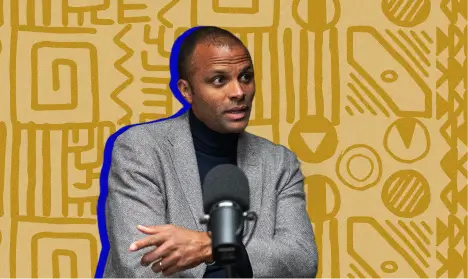
Modern football has never been more lucrative, yet beneath the billion-dollar television deals, sold-out stadiums, and global sponsorships lies a growing concern that threatens the game’s greatest asset: its players.
That warning has been repeatedly voiced by Maheta Molango, Chief Executive of the Professional Footballers’ Association (PFA), who argues that football’s relentless pursuit of commercial growth is coming at an unacceptable human cost.
From congested fixture calendars and mounting injury crises to player welfare and fair compensation, Molango believes the sport has reached a critical crossroads where the balance between business and wellbeing has been dangerously distorted.
The Price of an Expanding Calendar
Football’s calendar has become increasingly crowded.
Domestic leagues, continental competitions, international tournaments, expanded club championships, and commercial tours now leave elite players with little opportunity for meaningful rest.
The introduction of larger tournaments and additional fixtures has intensified concerns that football’s governing bodies are prioritising revenue generation over athlete welfare.
According to Molango, recovery is no longer a luxury, it is an essential component of elite performance. Without sufficient downtime, players face greater risks of burnout, declining performance, and long-term physical damage.
Injuries Are Becoming the Norm
The growing fixture list has coincided with an alarming rise in muscle injuries, stress-related conditions, and long-term absences among professional footballers.
Sports scientists have consistently highlighted the relationship between inadequate recovery and increased injury risk. High-intensity football demands exceptional physical output, and repeated matches with limited recovery reduce the body’s ability to repair itself.
For clubs, injuries mean losing key players during crucial periods of the season.
For players, they can mean interrupted careers, lost opportunities, and lasting physical consequences that extend well beyond retirement.
Molango argues that the conversation should no longer focus solely on treatment after injuries occur, but on preventing them in the first place.
The Debate Over Fair Pay
While football generates billions annually, questions remain over how that wealth is distributed throughout the professional game.
Although elite stars often command extraordinary salaries, many professional footballers compete in lower divisions where financial security is far less certain.
Molango has consistently advocated for stronger protections that ensure players receive fair treatment throughout their careers, including adequate contractual safeguards, mental health support, and financial stability during periods of injury or unemployment.
His position reflects a broader belief that players should be recognised not simply as entertainers, but as workers whose rights deserve protection.
Commercial Growth Versus Human Limits
Football’s popularity continues to expand into new markets.
More tournaments create more broadcast revenue.
More matches generate more sponsorship opportunities.
More competitions increase global visibility.
Yet every additional fixture adds another demand on players already operating near their physical limits.
Molango argues that football cannot continue measuring success solely through financial growth while ignoring the cumulative toll placed on those responsible for delivering the spectacle.
The sustainability of the sport ultimately depends on protecting the people who make it possible.
A Global Conversation
Concerns surrounding fixture congestion are no longer isolated to one league or one country.
Players, coaches, medical professionals, and football unions across Europe, Africa, South America, and beyond have increasingly voiced similar frustrations.
Many believe meaningful collaboration between governing bodies, clubs, leagues, and player representatives is now essential if football hopes to preserve both competitive quality and player welfare.
The discussion extends beyond scheduling. It encompasses travel demands, recovery standards, medical care, workload monitoring, and long-term career planning.
Protecting Football’s Greatest Asset
Football’s greatest asset has never been television contracts or commercial partnerships.
It is the players.
Their talent, creativity, and commitment are what attract billions of viewers around the world.
As the sport continues to evolve, Maheta Molango’s message serves as a timely reminder that sustainable growth cannot come at the expense of human wellbeing.
The challenge facing football is not whether the game should continue growing, but whether it can do so responsibly.
Finding that balance may prove to be one of the defining issues of modern football, ensuring that future generations inherit a sport that values not only trophies and profits, but also the health, dignity, and longevity of the athletes at its heart.


0 Comments