
What Africa’s Largest-Ever World Cup Representation Really Says About Its Football Future
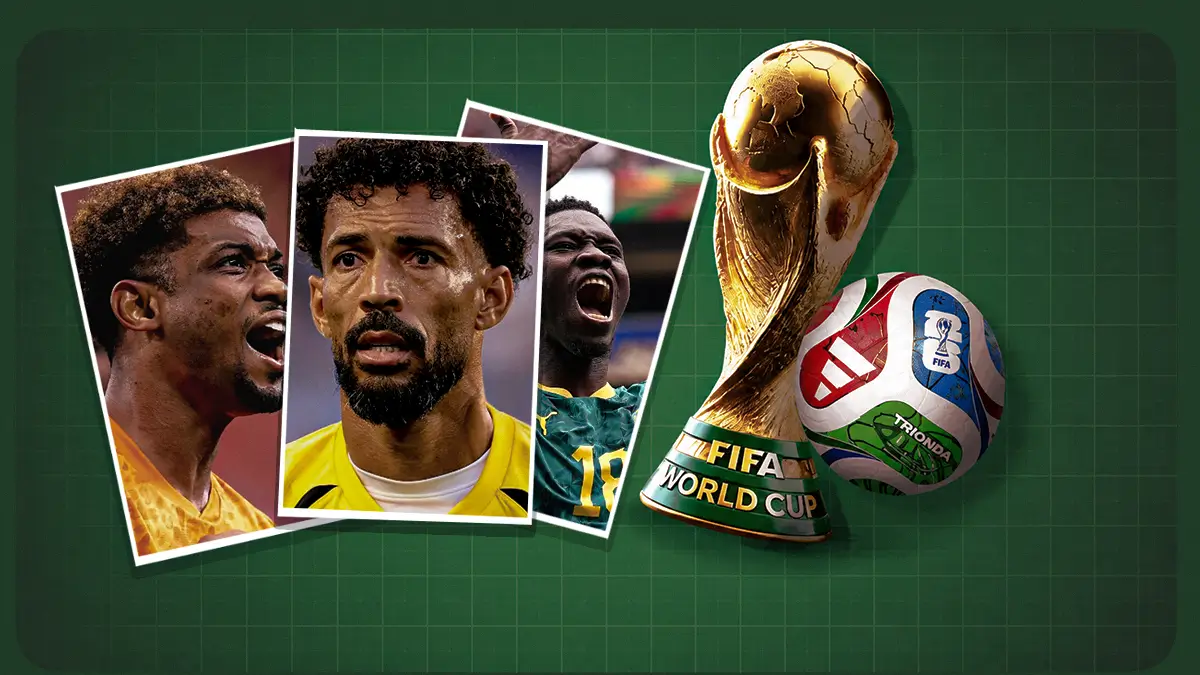
By Patrick Godwin Ankrah
When FIFA voted to expand the men’s World Cup from 32 to 48 teams, critics questioned whether football’s biggest tournament would become too large, whether the quality would decline and whether qualification would lose some of its prestige.
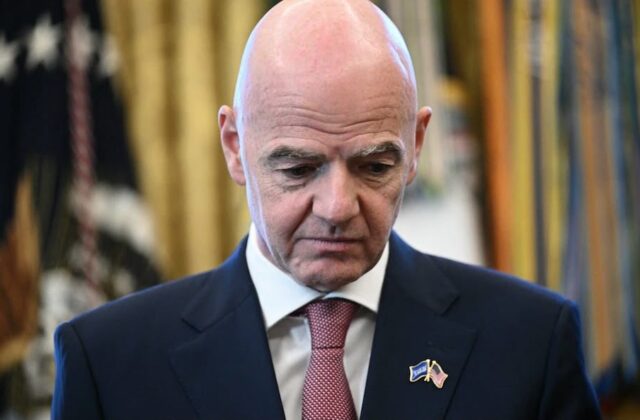
FIFA president Gianni Infantino defended the decision, arguing that the expansion was driven by sporting merit rather than commercial interests.
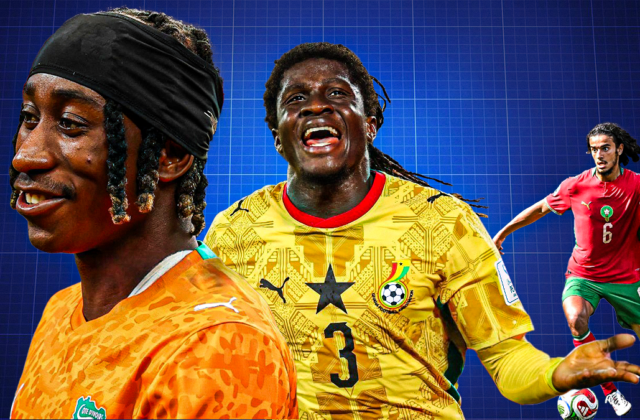
Africa witnessed something different. For the first time in history, ten African nations qualified for the FIFA World Cup. Morocco, Senegal, Egypt, Algeria, Côte d’Ivoire, Ghana, Tunisia, South Africa, Cape Verde and DR Congo arrived not as symbolic representatives of a continent but as teams with different ambitions, different football identities and different stories to tell.
Doubling Africa’s allocation from five places to ten was historic. But the biggest story was never the number itself. It was what that number revealed.
For decades, African football has produced some of the world’s finest players, from George Weah and Jay-Jay Okocha to Didier Drogba, Samuel Eto’o, Mohamed Salah and Victor Osimhen. Yet that wealth of talent rarely translated into equivalent influence at football’s biggest tournament. Limited qualification places meant many strong African teams never reached the World Cup, regardless of their quality. Representation lagged behind potential.
The 2026 tournament marked a turning point. Africa’s record representation reflected more than FIFA’s expansion. It reflected years of investment in coaching, academies, governance, infrastructure and diaspora engagement that are beginning to reshape the continent’s football landscape.
The results on the pitch mattered. The systems behind those results mattered even more.
Morocco Didn’t Just Make History. It Changed Expectations
Every football revolution has a defining moment that changes how the world sees a team, a country or even a continent. For African football, that moment came in Qatar.
Morocco’s run to the semi-finals of the 2022 FIFA World Cup did more than break records. It dismantled one of the longest-held assumptions in global football: that African teams could produce gifted players but could not consistently compete with the sport’s traditional powers over the course of a tournament.
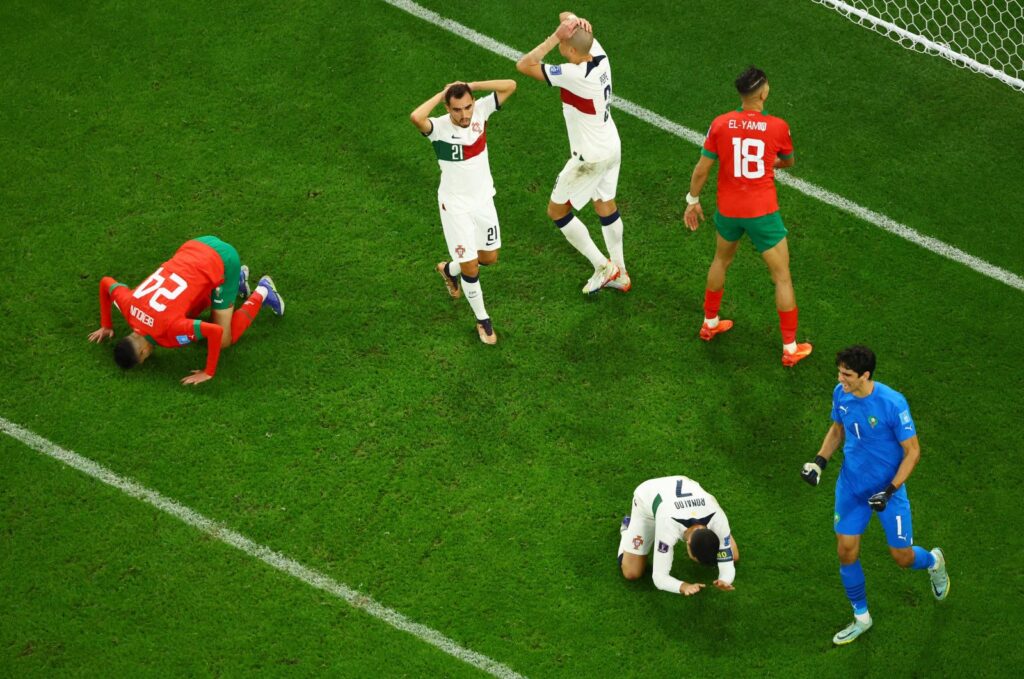
The Atlas Lions proved otherwise. They became the first African nation to reach a World Cup semi-final, eliminating Belgium, Spain and Portugal along the way. Their success was built not on individual brilliance alone but on tactical discipline, defensive organisation, collective belief and a clearly defined football identity.
But Morocco’s greatest achievement happened long before Qatar.
Over the past two decades, the Royal Moroccan Football Federation has invested heavily in modernising the country’s football ecosystem. Facilities such as the Mohammed VI Football Academy have become among the most respected development centres in world football, while coaching education, youth development and long-term planning have received sustained attention.
Morocco also recognised the value of its diaspora long before many other federations. By building strong relationships with players developed in Europe’s top academies, the federation assembled a squad that combined elite-level experience with a deep connection to the national team. Achraf Hakimi, Hakim Ziyech, Sofyan Amrabat and Noussair Mazraoui became symbols of a strategy that viewed the diaspora not as a backup plan but as a core part of Morocco’s football identity.
Qatar proved that the project worked. The 2026 World Cup suggested it was sustainable.
Rather than fading after their historic semi-final run, Morocco reached the quarter-finals again, reinforcing the idea that their rise was the product of long-term planning rather than a single extraordinary tournament. Consistency, rather than surprise, is becoming the hallmark of Moroccan football.
That legacy shaped expectations across the continent. African teams arrived at the expanded World Cup no longer hoping to earn respect. They arrived believing they belonged.
The psychological barrier that once separated Africa from football’s traditional powers continues to disappear, and Morocco has played a central role in breaking it down.
There Is No Longer One African Football Model
One of the most encouraging stories of Africa’s largest-ever World Cup representation was the diversity of pathways that brought nations to the tournament.
Morocco demonstrated the value of long-term institutional investment.
Senegal continued to benefit from years of continuity in coaching, talent identification and youth development.
South Africa’s return reflected renewed administrative stability and improvements in domestic football structures after years of inconsistency.
Egypt and Algeria relied on experienced squads blended with emerging talent, while Côte d’Ivoire continued its rebuilding process following a generational transition.
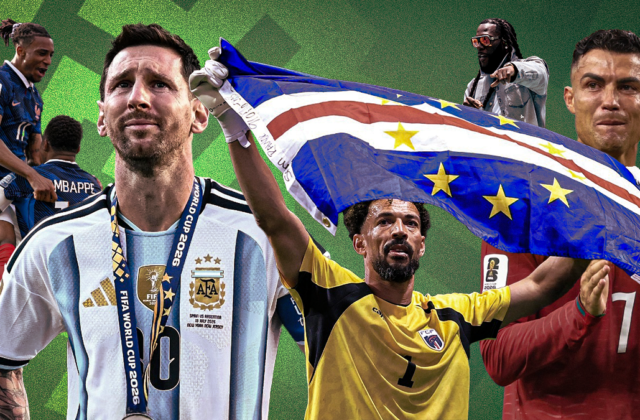
Then there was Cape Verde. With a population of little more than half a million people, the island nation became one of the tournament’s most compelling stories. Making their FIFA World Cup debut, the country announced themselves by holding eventual champions Spain to a goalless draw. It was followed by a 2–2 draw against Uruguay. In the round of 32, Cape Verde lost 3-2 to Argentina in overtime.
🌎🇨🇻 Cape Verde score against Argentina on their first knockout World Cup game ever.
— Fabrizio Romano (@FabrizioRomano) July 3, 2026
Duarte goal, a magic moment for a country with population of roughly 500,000 people. pic.twitter.com/FUzHClD0v5
Each African nation followed a different route. The common thread was not geography, history or wealth. It was structure.
African football is increasingly proving that success belongs to countries capable of building sustainable football systems rather than relying solely on extraordinary individuals.
The Diaspora Has Become Africa’s Competitive Advantage
Modern African football cannot be understood without understanding the diaspora.
Across England, France, Belgium, Spain, Portugal, Germany and the Netherlands, generations of African families have produced footballers who developed in some of the world’s best academies while remaining eligible to represent their ancestral homelands. For many federations, those communities have become strategic assets.
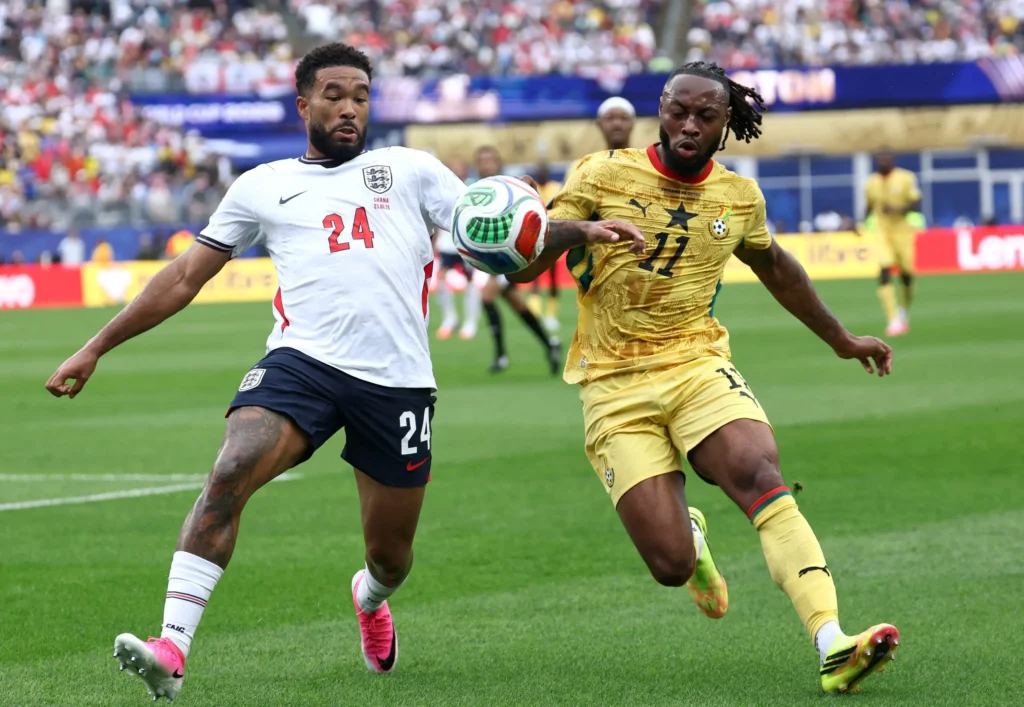
Morocco offers perhaps the clearest example, but it is far from the only one. Senegal, Algeria, Ghana and DR Congo have all benefited from recruiting players developed abroad while integrating them into clear national football projects.
The diaspora contributes far more than footballers. It provides coaches, scouts, analysts, sports scientists, agents, investors and supporters who strengthen African football’s global network.
It also serves as a bridge between continents, allowing African football to benefit from international expertise while maintaining strong cultural connections.
Success in this space, however, is rarely accidental. Players increasingly evaluate national teams the same way professionals assess employers. They look for stable leadership, long-term planning, clear communication and ambitious football projects.
That is why governance has become one of African football’s greatest competitive advantages.
Why Governance Is Becoming the Real Difference
Talent has never been Africa’s problem. Governance often has.
For years, discussions about African football focused on producing better players. Today, the conversation is increasingly shifting towards producing better football institutions.
Countries investing in transparent administration, technical planning, coaching education and youth development are beginning to look different to those that continue to rely on individual brilliance alone.
The contrast is becoming increasingly visible across the continent. Morocco’s institutional reforms have underpinned sustained success. South Africa’s improved organisation has helped restore its place on the global stage.
Elsewhere, countries with comparable talent continue to struggle because administrative instability undermines football development.
The lesson is neither glamorous nor complicated. Talent wins matches. Institutions sustain success.
Football Has Become One of Africa’s Most Powerful Forms of Soft Power
Africa’s growing World Cup presence matters for reasons that extend well beyond football.
Major tournaments have become global cultural events watched by billions of people.
Every World Cup appearance offers countries an opportunity to project identity, creativity and culture to audiences that no tourism campaign or diplomatic initiative could easily reach.
The continent’s influence increasingly travels through football. Supporters fill stadiums in African colours. Diaspora communities transform host cities into cultural gathering spaces. Afrobeats echo through dressing rooms, fan zones and victory celebrations.
Artists such as Burna Boy, Tems, Rema and Wizkid have become increasingly visible at major sporting events, reflecting the growing intersection between African music and global football culture.
Football has become one of the vehicles carrying Africa’s creative industries to worldwide audiences. That influence matters because perception increasingly shapes investment, tourism and international partnerships.
Every successful tournament strengthens Africa’s cultural relevance beyond the pitch.
The Beginning of a New Era
For decades, African football fought for greater representation. The argument was simple. The continent had the talent. It deserved more places.
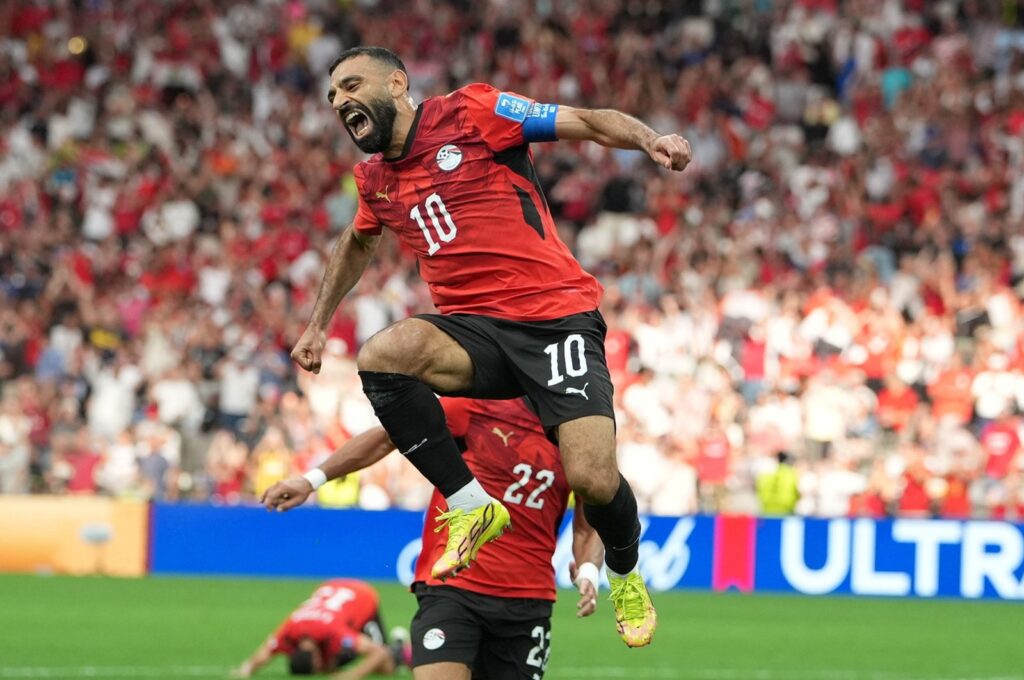
The expanded World Cup finally delivered that opportunity. The challenge now is very different. Africa no longer has to prove it belongs. It has to prove it can consistently compete, innovate and influence football at the highest level.
That means producing not only world-class footballers but also world-class coaches, administrators, analysts, referees, sporting directors and football institutions.
The next chapter of African football will not be written by FIFA’s allocation of World Cup places. It will be written by the decisions made inside football federations, academies and boardrooms across the continent.
The 2026 World Cup offered a glimpse of what that future might look like.
Ten African nations arrived with different histories, different strengths and different ambitions. Together, they showed that African football is becoming more diverse, more organised and more confident than at any point in its history.
Representation opened the door. What happens next will determine whether this was simply Africa’s biggest World Cup or the beginning of its most influential era.
About the Author

0 Comments