
FIFA World Cup 2026: How African Music is Defining Modern Football Culture
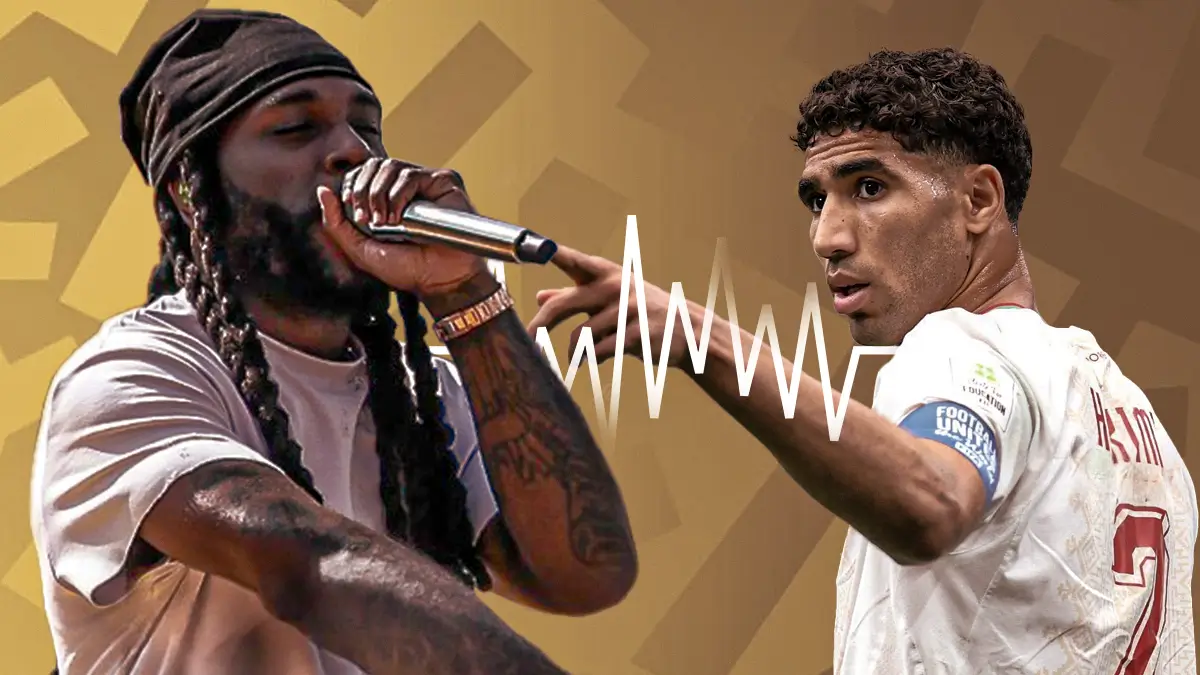
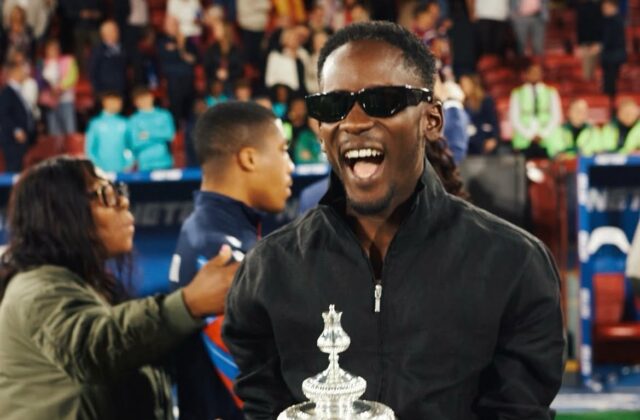
When Barcelona teenager Lamine Yamal posted a video of himself dancing to Shake Body, the 2015 hit by Nigerian singer Skales, it quickly spread across social media. Before long, teammates had joined in, fans were recreating the dance, and the song had become part of Barcelona’s online identity.
What began as a light-hearted moment soon evolved into something much bigger. Adidas later featured the track in a campaign involving Yamal, introducing it to millions of people who may never have heard it when it was first released.
For Skales, it was an extraordinary revival. For football, it revealed something more profound.
African music is no longer simply accompanying football. It is increasingly shaping how the modern game celebrates, communicates and connects with supporters across the world.
Walk into the dressing room of an elite European club today and there is a good chance that an Afrobeats or Amapiano track is playing through the speakers.
Brazilian flair. 👌 pic.twitter.com/5vfr5qPLXI
— Chelsea FC (@ChelseaFC) January 9, 2026
You’ve probably flicked through a footballer’s Instagram story recently, and the soundtrack has probably been from Lagos, Accra or Johannesburg. And whatever dance challenge accompanies a viral goal celebration on TikTok, it probably originated from a Nigerian or South African song. That is not an accident. Over the last decade African music has quietly become one of football’s most fluent cultural languages, far beyond the dressing room playlists and the parties after the match.
Today, it dictates social media trends, leads commercial campaigns, dictates what fans hear and experience in the stands, and has even led to a rethink of FIFA’s entertainment playbook.
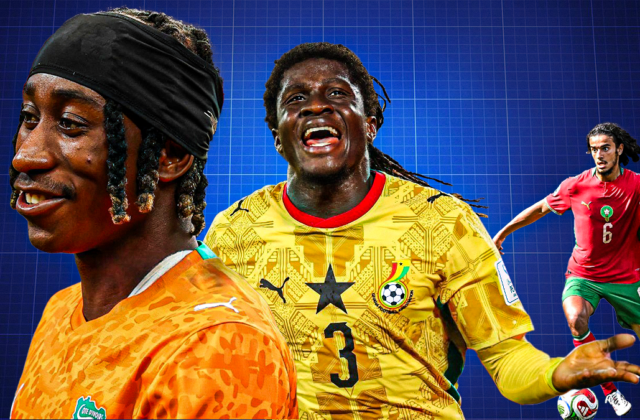
For years, Africa’s influence on football was measured almost entirely by the players it produced. George Weah, Samuel Eto’o, Didier Drogba, Yaya Touré, Mohamed Salah and Victor Osimhen became symbols of the continent’s sporting excellence.
Today, another story is unfolding alongside that legacy. Africa is no longer exporting only footballers. It is exporting the sounds, dances and cultural identity that increasingly define football’s global experience.
The 2026 FIFA World Cup did not create that transformation. It simply made it impossible to ignore.
Before Afrobeats, Africa Had Already Left Its Mark
It is tempting to think that football’s relationship with African music began with the global rise of Afrobeats. In reality, the connection stretches back decades.
Long before Spotify playlists and viral dressing-room videos, African music had already travelled far beyond the continent. Cameroon’s Makossa became an international phenomenon. South African Mbaqanga found audiences around the world, while Fela Kuti’s Afrobeat movement reshaped conversations about music, politics and African identity.
Artists such as Miriam Makeba, Hugh Masekela and Youssou N’Dour introduced international audiences to African sounds years before streaming platforms transformed the music industry.
Football evolved alongside that cultural movement. African players who left home to play professionally in Europe did not leave their cultures behind. They carried their languages, food, dances and music along. Those influences often spread quietly, passed from teammate to teammate through shared playlists, post-match celebrations and long journeys to away fixtures.
One of the earliest and most memorable examples came during the 1990 FIFA World Cup in Italy.
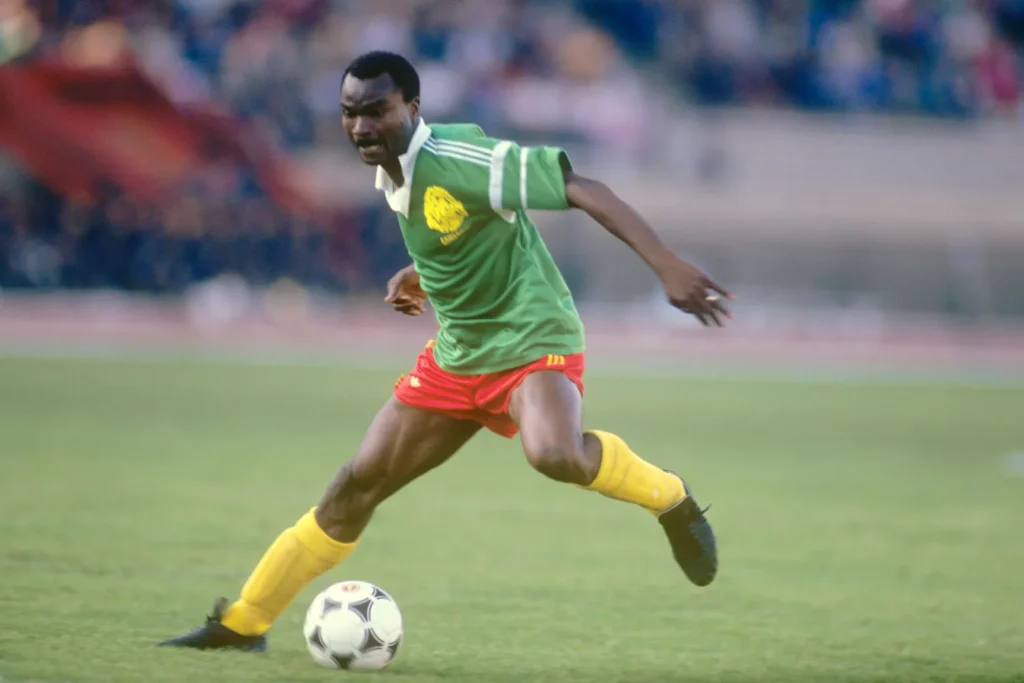
Cameroon’s Roger Milla captured global attention not only through his performances but through his iconic dance celebrations at the corner flag. Fans watched a footballer celebrate in a way that reflected African joy, rhythm and personality. Those moments challenged long-held stereotypes about African football and introduced many supporters to a different expression of the game.
Football had always been about more than tactics and results. Milla showed that it could also become a stage for culture.
South Africa Changed Football’s Cultural Landscape
If Roger Milla opened the door, the 2010 FIFA World Cup pushed it wide open.
When South Africa became the first African country to host football’s biggest tournament, global audiences expected to discover African football. Instead, they encountered something much broader.
The tournament became a celebration of African creativity. The sound of the vuvuzela echoed across stadiums and television broadcasts, becoming one of the competition’s defining symbols. Traditional dance performances accompanied opening ceremonies. African fashion gained unprecedented visibility. International broadcasters devoted as much attention to the host nation’s culture as they did to the football itself.
Nothing symbolised that cultural moment more than Waka Waka (This Time for Africa).
Performed by Colombian singer Shakira but built around the Cameroonian song Zangalewa, the tournament’s official anthem introduced millions of listeners to African rhythms, even if many were unaware of their origins. The song would go on to become one of the most recognisable World Cup anthems ever produced.
Looking back, South Africa 2010 represented more than a successful sporting event. It was a global showcase for African culture.
The significance of that moment became clearer over the years that followed.
According to Spotify, streams of Afrobeats increased by more than 550 per cent between 2017 and 2022, reflecting the genre’s transformation from a regional sound into one of the world’s fastest-growing musical movements.
Football did not create that growth. Streaming platforms, social media, diaspora communities and collaborations with international artists all played important roles. But football accelerated it.
Every training video uploaded by a club, every dressing-room celebration shared online and every player dancing to an African song introduced new audiences to music they might never have discovered otherwise.
Without intending to, football became one of African music’s most powerful global distribution networks.
Inside Football’s Most Influential Playlist
Modern football clubs are among the world’s most diverse workplaces.
A single dressing room may include players from Nigeria, Brazil, France, England, Morocco, Spain, Japan and Argentina. Different languages are spoken. Different religions are practised. Different cultures coexist. Music often becomes the common language.
Unlike tactical discussions or team meetings, playlists require no translation. Rhythm crosses borders far more easily than words. That partly explains why African music has become so deeply embedded within elite football.
As more African footballers established themselves in Europe’s biggest leagues, they naturally introduced teammates to the music they listened to at home. What began as personal taste gradually became collective culture.
Soon, Afrobeats was no longer being played only by Nigerian or Ghanaian footballers. Brazilian forwards, Spanish teenagers, French defenders and English midfielders were adding the same songs to their playlists.
The influence spread organically rather than through marketing campaigns.
A song playing before training becomes part of the team’s daily routine. A dressing-room dance is uploaded to social media. Supporters imitate it on TikTok. Within hours, millions of people have encountered a new artist without deliberately searching for one.
The journey from playlist to global audience now takes only a few seconds.
Football has effectively become one of the world’s largest music recommendation engines. Unlike radio stations or streaming algorithms, football carries emotion.
Songs become attached to victories, title celebrations, dressing-room moments and unforgettable goals. They become part of football memories.
That emotional connection is one reason African music continues to thrive within the sport.
It is energetic without being overwhelming. It encourages movement. It translates across cultures without requiring listeners to understand every lyric. Most importantly, it captures the joy that football itself tries to express.
For a generation of players whose careers unfold as much on Instagram and TikTok as they do on the pitch, those qualities matter.
The modern football experience no longer ends with the final whistle. It continues online through celebrations, behind-the-scenes videos, fan edits and viral clips. Increasingly, African music provides the soundtrack to that experience.
When Football Met the Algorithm
If dressing rooms helped African music spread across football, social media accelerated that process beyond anything the industry had experienced before.
Football no longer ends when the referee blows the final whistle. Every tackle, celebration, interview and behind-the-scenes moment now has a second life online. Goal celebrations become TikTok trends. Training sessions become Instagram Reels. Dressing-room moments become YouTube Shorts viewed by millions. Music sits at the centre of that ecosystem.
Unlike previous generations, today’s footballers do not only entertain supporters on the pitch. They are creators in their own right, each with audiences that rival traditional broadcasters. Every post has the potential to introduce a song to millions of listeners.
That is precisely what happened with Skales’ Shake Body. Released in 2015, the song enjoyed commercial success before naturally fading from mainstream conversation. More than a decade later, it returned because one footballer’s dance sparked a chain reaction across football and social media.
Football did not simply revive the song. It gave it an entirely new audience.
The same pattern has repeated itself with songs by Burna Boy, Rema, Wizkid, Asake, Tems and Tyla. Their music increasingly accompanies football edits, highlight reels, celebration videos and fan-created content across multiple platforms.
In that sense, football has become one of the world’s most influential music discovery platforms, not because it intended to, but because digital culture has blurred the lines between sport and entertainment.
FIFA Recognised a Cultural Shift
Football’s governing bodies have been paying attention. For decades, official World Cup songs were largely promotional tools designed to generate excitement before the tournament. Increasingly, however, FIFA has positioned music as a central part of the fan experience rather than an afterthought.
That shift was evident during the 2026 FIFA World Cup. The selection of Burna Boy alongside Shakira on the official World Cup song, Dai Dai, was not simply about African representation. It reflected a recognition that African music had already become one of football’s dominant cultural sounds.
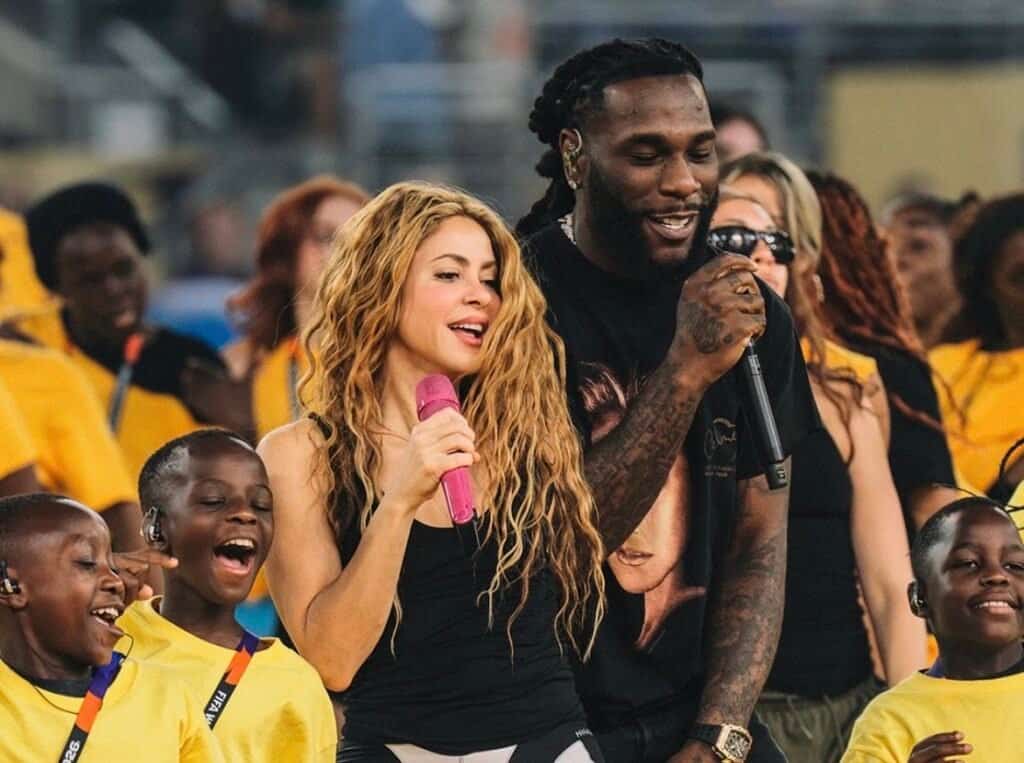
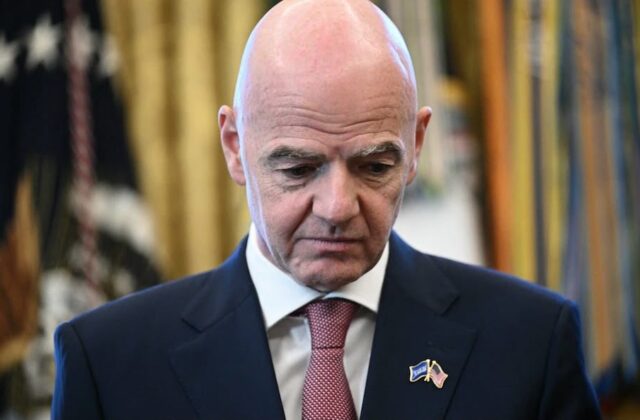
Burna Boy performed the song at the World Cup Halftime Show alongside Shakira. FIFA’s President Gianni Infantino described the show as a “celebration of football, unity and shared humanity”, with proceeds directed towards the FIFA Global Citizen Education Fund.
The commercial response reinforced that decision. Within days of its release, the Official FIFA World Cup 2026 Album generated more than 336 million streams across platforms. Dai Dai entered Spotify’s global charts, ranked among the world’s most-discovered songs on Shazam and drove hundreds of millions of views across YouTube.
Those numbers matter because they illustrate something larger. Football is no longer competing only with other sports. It competes for attention in the wider entertainment economy. Music has become one of the ways it keeps audiences engaged before, during and after matches. African artists are increasingly central to that strategy.
The Diaspora Built the Bridge
This transformation did not happen overnight, nor did it begin inside football stadiums. It was built over decades by African communities living abroad.
Across London, Paris, Brussels, Amsterdam, Toronto and New York, football and African music evolved side by side. Weekend football screenings became social gatherings where Afrobeats, Amapiano, Highlife and Afro-fusion played before kick-off, during half-time and long after the final whistle.
The same communities produced footballers, musicians, DJs, content creators and supporters who moved comfortably between both worlds.
Many of Europe’s biggest football clubs draw heavily from neighbourhoods with large African diaspora populations. The playlists heard in dressing rooms often reflect the same music playing at family celebrations, local festivals and community events.
What began as community culture gradually became mainstream football culture.
That is why African music no longer feels foreign inside European football. For an entire generation of players, coaches and supporters, it has simply become part of everyday life.
More Than a Soundtrack
It would be easy to dismiss this as a story about playlists. It is much bigger than that. Music shapes emotion. It creates rituals. It builds identity.
Football has always relied on emotion more than almost any other sport. Anthems unite supporters before kick-off. Chants create belonging. Victory songs become part of club history.
African music now performs a similar function across the modern game.
It accompanies celebrations, strengthens team identity and helps footballers express personality in an era where authenticity has become one of sport’s most valuable currencies.
For brands, the commercial opportunities are equally significant. A song attached to a viral goal celebration can reach audiences far beyond traditional music marketing. A football clip viewed by tens of millions of supporters can introduce an artist to markets that conventional promotion might never reach.
That partly explains why major brands increasingly bring together footballers and African artists in campaigns designed for younger audiences.
The relationship is no longer accidental. It has become part of football’s commercial ecosystem.
Africa’s New Football Export
For decades, conversations about Africa’s influence on football focused almost entirely on players.
George Weah became Africa’s first Ballon d’Or winner. Didier Drogba transformed perceptions of African strikers. Samuel Eto’o dominated European football. Mohamed Salah became one of the Premier League’s defining players. Victor Osimhen carried that tradition into a new generation.
Those achievements remain historic. But they no longer tell the whole story. Today, Africa exports more than footballers. It exports music, dance, fashion, language, celebration, and identity.
The atmosphere surrounding football increasingly reflects African creativity as much as African talent on the pitch.
Perhaps that is why a Nigerian song released in 2015 could unexpectedly become part of Barcelona’s global identity more than ten years later.
It was never really about one song. It was about a cultural shift that had been happening quietly for years. Football simply gave the world a stage large enough to notice it.
The Sound of Football’s Future
The modern football experience no longer belongs exclusively to the ninety minutes played on the pitch.
It lives in dressing rooms before kick-off, on smartphones after the match and across millions of social media feeds where music shapes how supporters remember the game.
African music has become inseparable from that experience.
Once, African footballers travelled to Europe carrying songs from home in their headphones. Today, those same sounds echo through some of the world’s biggest clubs, headline FIFA tournaments and soundtrack the moments that define football’s digital culture.
That shift says something profound about Africa’s place in the modern game.
The continent is no longer influencing football only through the players it produces. It is increasingly shaping how football feels. And in an era where culture travels faster than trophies, that may prove to be one of Africa’s most enduring contributions to the world’s most popular sport.
0 Comments