
Top African Players to Watch in the 2026/27 Premier League Season
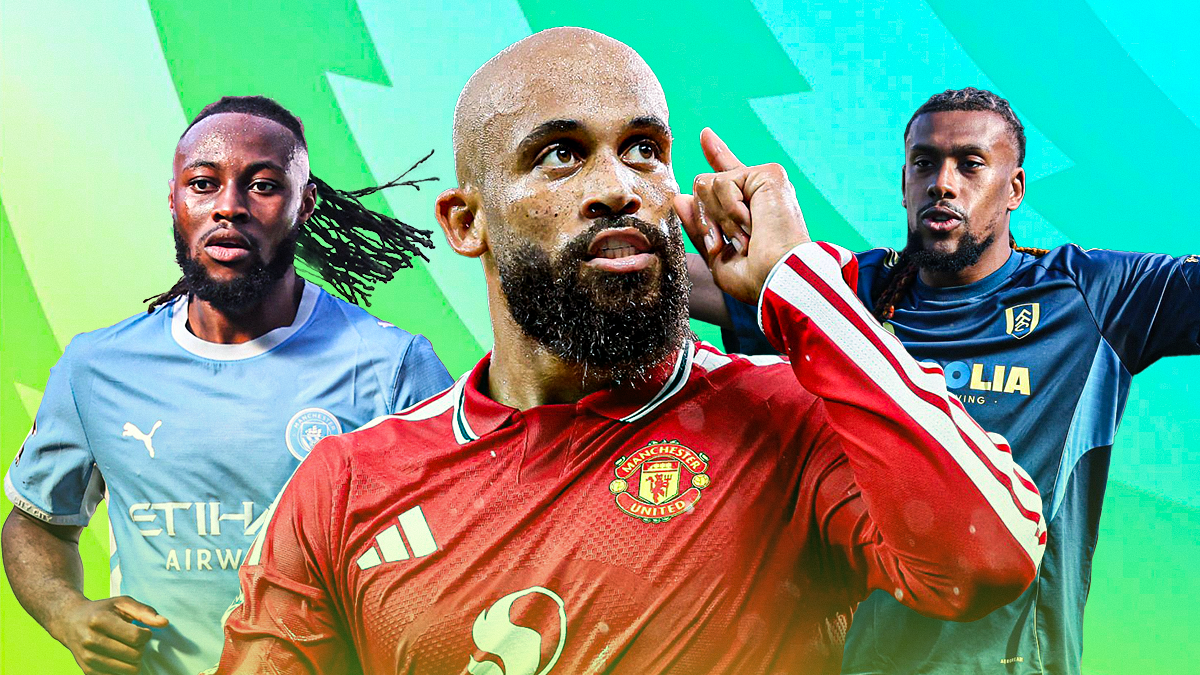
Mohamed Salah has left Liverpool. New African signings have arrived at some of England’s biggest clubs. Some players have been in England for years but now have a chance to take on bigger roles.
That makes this more than a list of African players who could score goals.
Bryan Mbeumo is trying to become one of Manchester United’s main attacking players. Antoine Semenyo is entering his first full season with Manchester City. Carlos Baleba has joined United for a fee that could reach £70 million. Mohammed Kudus is looking for a fresh start at Tottenham after an injury-hit first season.
Then there are players with different stories.
Amad Diallo is trying to turn his brilliance into consistency. Alex Iwobi is taking on the role of an experienced leader at Fulham. And Caleb Yirenkyi represents a different route into the league, moving from a Ghanaian academy through Denmark before arriving at Coventry City.
The point of this list is not simply to identify the ten best African players in the Premier League. It is about the players whose next season could change how we view them.
Some are established stars looking for another level. Others are beginning at new clubs. A few are trying to prove that their best football is still ahead of them.
So, who should African football fans be watching most closely in 2026/27?
1. Bryan Mbeumo: Cameroon, Manchester United
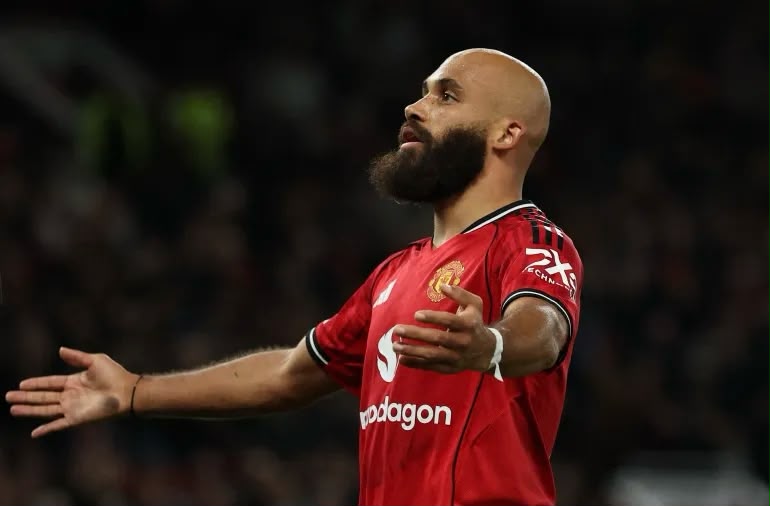
Bryan Mbeumo begins the new season with a chance to become Manchester United’s main attacking outlet.
He has already proved that he can score goals in the Premier League. Across six seasons at Brentford, Mbeumo scored 70 goals and provided 51 assists in 242 appearances. His best season came in 2024/25, when he scored 20 league goals and became only the second Brentford player after Ivan Toney to reach that mark.
Manchester United paid around £70 million to bring him to Old Trafford. His first season produced 11 Premier League goals and 12 in all competitions.
That was a decent output. But United need more.
The club are back in the Champions League and is trying to build a team that can compete near the top of the table. Mbeumo will be one of the players expected to provide the goals.
With Mohamed Salah no longer in the Premier League, Mbeumo has an opportunity to become one of the continent’s most prominent attacking players in England. He does not need to become Salah. He needs to become the best version of Mbeumo.
If he can turn 11 league goals into 15 or 20, his importance to United will rise quickly.
2. Antoine Semenyo: Ghana, Manchester City
Antoine Semenyo went from playing non-league football with Bath City to becoming one of the Premier League’s best attackers at Bournemouth. Then, during the 2025/26 season, his career moved another step forward.
Semenyo scored 17 Premier League goals and provided four assists for Bournemouth. That form earned him a move to Manchester City in January 2026.
Semenyo scored on his debut against Exeter City. He later scored the winner against Leeds United and produced a backheel finish against Chelsea in the FA Cup final to help City win the trophy.
By the end of the season, he had scored 11 goals in 27 appearances for City across all competitions.
At Bournemouth, Semenyo was one of the players the team looked towards when it needed a goal or a moment of individual quality. At City, he is surrounded by players who can do the same thing.
He also has a new manager. Pep Guardiola has left and Enzo Maresca has taken charge, meaning Semenyo is starting his first full season at City under a manager with different ideas about how the team should play.
That could be good news for him. Semenyo is powerful, quick and direct. He can run at defenders, attack space and finish chances. If Maresca can build those qualities into City’s attack, Semenyo could become much more than a useful squad player.
He has already shown that he can score goals for Manchester City. Now he has to show that he can become one of the players they cannot afford to leave out.
3. Carlos Baleba: Cameroon, Manchester United
Manchester United did not spend £70 million on Carlos Baleba because they needed another midfielder. They spent it because they believe he can become an important player for them.
The deal with Brighton is worth £65 million up front with another £5 million in possible add-ons. It makes the 22-year-old one of the biggest African transfers in the Premier League this summer.
🚨💣 BREAKING: Carlos Baleba to Manchester United, here we go! Verbal agreement in place between clubs.
— Fabrizio Romano (@FabrizioRomano) August 21, 2026
Improved bid sent today after £65m package rejected and player set to join the only club he wanted.
Baleba, new #MUFC player soon. 🇨🇲 pic.twitter.com/1ORh7pLDCk
Baleba arrived in England from Lille in 2023 and quickly developed into one of Brighton’s most exciting midfielders.
His game is built around power and movement. He can win the ball, cover ground and drive forward with it. He can also play as a defensive midfielder or operate further forward.
Those qualities are exactly what United have been missing at times. But playing for Brighton and playing for Manchester United are not the same thing.
At Brighton, Baleba was allowed to develop. At Old Trafford, a £70 million midfielder will be expected to perform immediately.
United also need more from the midfield if they are going to compete in the Champions League and improve on last season. The team lost 2–0 to Hull City in their opening game of the season, and Baleba’s arrival cannot solve all of the team’s problems by himself.
But if he settles quickly, he could become the player who gives United’s midfield the strength and energy it has lacked.
4. Mohammed Kudus: Ghana, Tottenham Hotspur
Mohammed Kudus does not need to prove that he has talent. He needs to play consistently to show it.
The Ghanaian joined Tottenham from West Ham after developing through the Right to Dream Academy, FC Nordsjælland and Ajax. By the time he moved across London, he had already established himself as one of the Premier League’s most dangerous dribblers.
His Tottenham debut showed what Spurs had bought. Kudus provided two assists in a 3–0 win over Burnley and immediately looked capable of creating problems from wide areas.
Then injury interrupted his season. A quad problem kept him out towards the end of the campaign and made it difficult for him to build the rhythm he needed.
Now he gets another chance.
Tottenham have also changed managers, with Roberto De Zerbi taking over. That gives Kudus another tactical environment to learn, but it could also give him a bigger role.
When Kudus is confident, he is difficult to stop. He can carry the ball through pressure, beat defenders and create something from situations that appear to offer little.
Tottenham need to see that player regularly. If he stays fit, Kudus could become one of the most important attacking players in De Zerbi’s team.
5. Amad Diallo: Ivory Coast, Manchester United
Amad’s problem is not talent. Manchester United supporters have seen enough of him to know that.
He has already shown Manchester United what he can do. The problem is doing it often enough.
His breakthrough season came in 2024/25, when he scored eight Premier League goals and provided six assists. The highlight was his 12-minute hat-trick against Southampton in January 2025, when he completed a 3–1 comeback for United.
He also won United’s Goal of the Season award for his strike against Manchester City.
Then his numbers dropped. Amad scored only twice during the 2025/26 season.
At 24, Amad has enough experience to know what the Premier League demands. He has also spent time on loan at Rangers and Sunderland before establishing himself at United.
There are no longer many excuses for being inconsistent. United have Champions League football again, so there will be more matches but also more players competing for attacking positions.
Amad’s ability is not really in question. Now he needs to turn his qualities into numbers.
If he does, United will have another dangerous attacking option. If he does not, questions about his long-term place at Old Trafford will become harder to avoid.
6. Alex Iwobi — Fulham
Alex Iwobi has already reached a milestone that very few African players have managed.
He has played more than 300 Premier League matches, becoming the first Nigerian to reach that figure.
But experience is not the only reason to watch him.
Iwobi has changed his game at Fulham. The player who once operated mainly as an attacking midfielder has become a more complete player who can help Marco Silva’s team move the ball from midfield into attack.
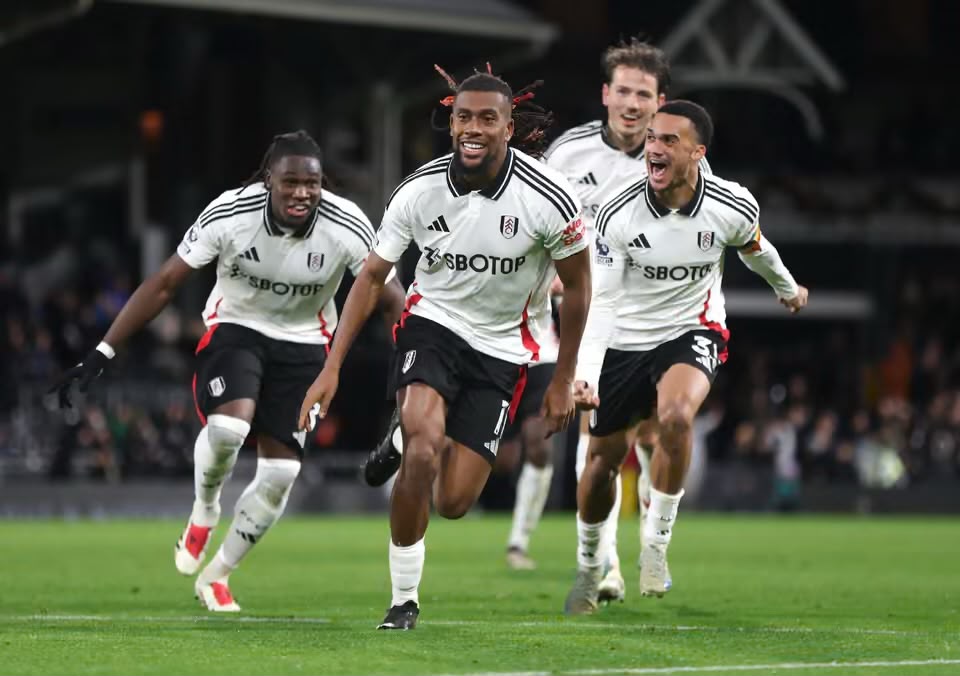
His performance against Brentford last season showed that side of his game. Iwobi scored Fulham’s equaliser before setting up Harry Wilson less than two minutes later as Fulham completed a 3–1 comeback.
Alan Shearer subsequently included him in his Premier League Team of the Week.
At 30, Iwobi is now one of the senior figures in Fulham’s squad.
He is not trying to prove that he belongs in the Premier League anymore. He is trying to use everything he has learnt from more than a decade in English football.
Iwobi has seen the league change around him and has adapted his own game along the way. If he can maintain that level, he could remain one of Fulham’s most important players while providing an example of how an African midfielder can reinvent himself at the highest level.
7. Caleb Yirenkyi: Ghana, Coventry City
Caleb Yirenkyi’s story is bigger than his transfer to Coventry.
It is a story about how African footballers are developing through international football networks before reaching the Premier League.
Yirenkyi began at the Right to Dream Academy in Ghana before moving to FC Nordsjælland in Denmark in 2024. He became an important first-team player there and was named the Danish Superliga Young Player of the Year in 2025/26.
Coventry then made him their record signing for a reported €27 million, with another €3 million potentially due in add-ons.
His route is worth paying attention to. Ghana gave him his foundation. Denmark gave him regular senior football. Coventry are now giving him the Premier League.
His story is also interesting. While developing as a footballer, Yirenkyi developed an interest in robotics and won the National RiSE Robotics award at age 12.
On the pitch, his versatility has made him valuable. He can play in midfield and has also operated at right-back and centre-back, giving Frank Lampard a player who can cover several positions.
His season is not just about surviving the Premier League. It is about proving that the route from African academy to European development club to Premier League can produce top-level players.
What Happens Next Matters
These ten players are at very different points in their careers.
Mbeumo and Semenyo are trying to prove they can become major attacking players at Manchester United and Manchester City. Baleba is carrying the pressure of a huge transfer fee. Kudus is looking for the consistency and regular football that could take their careers to another level.
Amad has to turn potential into regular production. Iwobi already knows the league well, and he has to work hard on becoming a more important player for his club.
Then there is Yirenkyi. Ghana gave him his foundation. Denmark gave him senior football. Coventry have now given him the Premier League stage.
These players are not all chasing the same thing. Some want to score more goals. Some want a starting place. Some want to justify a big transfer. Others are trying to prove they belong at the highest level.
By May, we will know much more.
Who took the next step? Who became a bigger player than expected? And who still has work to do?
Those answers will shape how we see the next generation of African stars in England.


0 Comments