
What Gabriel Moses’ Work on Mbappé’s EA Sports FC 27 Cover Says About Football Culture Today
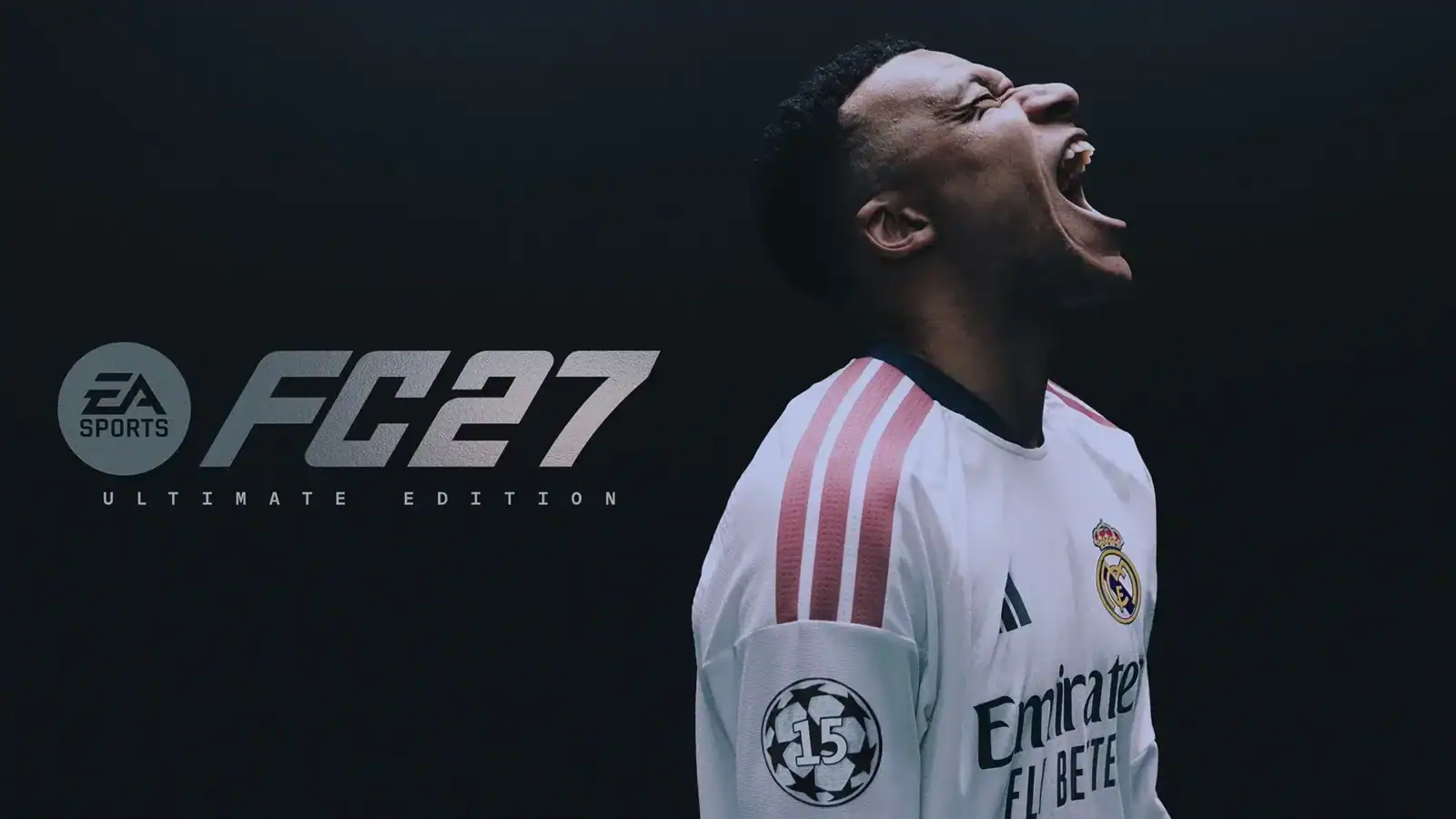
When EA Sports unveiled the cover of EA Sports FC 27 Ultimate Edition, the conversation centred on one familiar face: Kylian Mbappé.
The French superstar confirmed his return as the face of the world’s biggest football video game with a simple post on X:
“I’M BACK @EASPORTSFC.”
I’M BACK 😏 @EASPORTSFC pic.twitter.com/79MmBnffsH
— Kylian Mbappé (@KMbappe) July 21, 2026
Within hours, the image had circulated on millions of screens. The football pages picked apart every detail. Gaming communities welcomed the announcement. Fans argued over the artwork, the player and what the cover meant for the next version of the game.
But few people were talking about the man who made the image.
The photo was taken by Gabriel Moses, the British-Nigerian photographer and film-maker whose work has become one of the most recognisable visual signatures across sport, fashion and music. Mbappé is the centre of the frame, but Moses is the creative eye. One of football’s biggest commercial moments will be remembered for the way it will be remembered.
Gabriel Moses’s reaction after the announcement perhaps captured the significance better than any press release could.
“KYLIAN MBAPPE. PHOTOGRAPHED BY GABRIEL MOSES. Played this game since a kid, life is proper funny man.”
KYLIAN MBAPPE
— REGINA (@gabrielomoses) July 21, 2026
PHOTOGRAPHED BY GABRIEL MOSES.
Played this game since a kid, life is proper funny man pic.twitter.com/oqEUllVTTT
It was a simple post. But it carried the weight of a remarkable journey, from a kid playing EA Sports football games to the photographer entrusted to make one of the franchise’s defining images.
That story is far bigger than one cover shoot. It’s a symptom of something much bigger that’s going on in modern football.” The impact of the sport isn’t just about the players scoring the goals or winning the trophies.
It is also increasingly manufactured by the photographers, filmmakers, designers, musicians and creative directors who determine how football is marketed to the world. And in that creative economy African voices are becoming impossible to ignore.
More Than Just Another Cover
Every year, the unveiling of an EA Sports football cover is one of the sport’s most culturally significant moments.
Since the series’ inception as FIFA International Soccer in 1993, appearing on the cover has become one of football’s most visible endorsements. From David Beckham and Ronaldinho to Wayne Rooney, Lionel Messi, and Cristiano Ronaldo, the cover has long reflected who represents football at a given point in history.
The rebrand from FIFA to EA Sports FC in 2023 did little to change that significance. If anything, the franchise has become even more influential.
EA Sports FC 26 sold more than 10 million copies within its first two weeks and became the best-selling video game across 16 of Europe’s 17 biggest gaming markets. Every new edition is now more than a sports game. It is a global entertainment event that reaches millions of players across consoles and online platforms.
That’s why Mbappé’s return is important. The Real Madrid forward is still one of the most recognisable footballers and biggest commercial brands in the game. It’s more than celebrating an elite footballer to have him on the cover. It’s a statement about who represents the modern game.
But the cover launches of today are not just driven by footballers. Each lighting decision, each camera angle, each styling choice, each visual detail all feed into the story a brand wants to tell. Football is as much about image as it is about performance. That’s where Gabriel Moses comes in.
The Creative Behind Football’s Biggest Image
Gabriel Moses has worked on campaigns for Nike, Louis Vuitton, Burberry, Moncler and Apple. He has shot artists such as Travis Scott, Skepta, Little Simz and Pharrell Williams, and his work has also been acknowledged well beyond commercial photography by appearing at major international exhibitions.
His style is instantly recognisable. Dark, cinematic compositions. Powerful use of shadow and light. Images that feel intimate rather than manufactured. Subjects that appear human rather than untouchable.
That visual language has made him one of the most sought-after creatives of his generation. Brands increasingly turn to Moses not simply because he takes striking photographs but because he creates images that carry emotional depth and cultural authenticity.
Those qualities explain why EA Sports entrusted him with one of the franchise’s most important visual assets.
The company could have chosen almost any commercial photographer in the world. Instead, it selected a creative whose work consistently places culture, identity and storytelling at its centre.
That choice says as much about where football is heading as the cover itself.
Football’s Biggest Influencers Are No Longer Just Footballers
For much of football’s history, influence was measured in relatively simple ways. Goals won matches. Trophies defined legacies. Managers shaped tactics. Clubs controlled their image. That hierarchy still exists, but it no longer explains everything.
Today football is as much a cultural industry as it is a sporting one. A player’s influence is shaped not just by what happens on the pitch but also by the stories told about them, the images associated with them, and the communities they create online. In that ecosystem, photographers, filmmakers, designers, musicians and creative directors have become key players in how people experience football.
Think about how fans engage the game today. Fans have already seen the promotional films, heard the official soundtrack, watched behind-the-scenes documentaries and engaged with players through social media before a major tournament begins. It’s often those images and stories that stay in the public memory long after the final whistle.
Football documentaries like Manchester United’s The United Way, and Barcelona’s A New Era have demonstrated that storytelling can reshape how clubs, players and entire communities are perceived. Football today is consumed as much through culture as through competition.
That shift has expanded the industry’s creative economy.” “Clubs spend big in-house on their media teams now. Brands are looking for things that are more cinematic, not just ads. Transfer news isn’t the only thing hitting the headlines. Fashion collaborations are, too. Social media teams are as strategic as marketing teams now, and they understand that every image, every video, is part of a club’s identity.
The result is a football industry where influence increasingly belongs to people whose names rarely appear on a team sheet.
Gabriel Moses is one of those people. His photograph of Mbappé is more than a promotional image. It is part of the visual identity of one of football’s biggest global brands. Millions of people will encounter his work over the coming year, whether on gaming platforms, social media, billboards or digital advertisements, even if they never learn his name.
That is the nature of football’s creative economy. Some of its most influential figures now operate behind the camera rather than in front of it.
Africa’s Creative Influence Is Expanding Beyond the Pitch
For decades, Africa’s contribution to global football was viewed through a relatively narrow lens.
The continent produced extraordinary footballers. Europe provided the leagues, the platforms and, often, the global recognition. That was the dominant narrative.
It no longer reflects reality. Today, African influence shapes almost every corner of football’s cultural landscape. Music, fashion, photography, film and design are increasingly shaping how the sport is presented to audiences around the world, and African creatives are playing a leading role in that transformation.
The 2026 FIFA World Cup offered several examples. Nigerian superstar Burna Boy performed during the tournament’s historic halftime show, while fellow African artists Davido, Rema and Tyla featured on the official soundtrack, reinforcing Afrobeats’ growing place within football’s biggest occasions.
Beyond music, African-inspired fashion continued to shape campaigns around clubs and tournaments, while photographers and filmmakers from across the continent and the diaspora were trusted with projects that reached global audiences.
Gabriel Moses belongs within that wider movement. His work on EA Sports FC 27 is significant not simply because he is British-Nigerian, but because one of football’s most recognisable brands selected him on merit to create one of its most important visual assets.
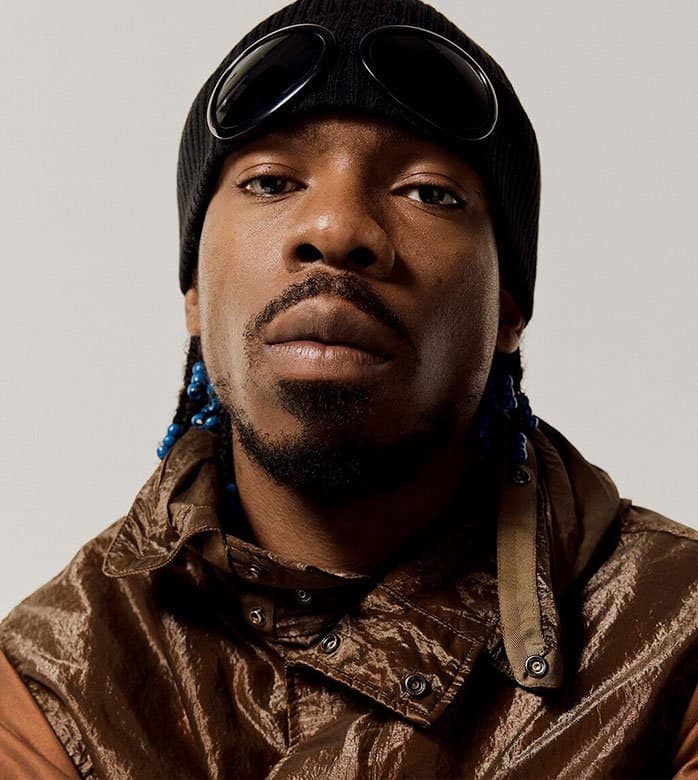
That distinction matters. The growing presence of African creatives in football does not rely solely on symbolism or representation. It reflects a recognition that some of the industry’s most original ideas, compelling visual languages and culturally relevant storytelling are coming from African and diaspora talent.
For young creatives watching from Lagos, Accra, Nairobi, Casablanca or Johannesburg, that visibility expands the possibilities of what a football career can look like.
The game has always needed players. Today, it also needs photographers, filmmakers, creative directors, designers, editors, writers, and strategists.
As football continues to grow beyond the ninety minutes played on the pitch, the opportunities to shape the sport are becoming far more diverse than many imagined just a decade ago.
More Than a Photograph
There is an easy way to read Gabriel Moses’ work on the EA Sports FC 27 cover.
A talented photographer was hired to photograph one of football’s biggest stars. That much is true. But it is also incomplete.
The image reflects a broader shift in football’s cultural landscape. The sport is no longer defined solely by what happens during ninety minutes on the pitch. Increasingly, its identity is shaped by those who decide how it looks, sounds and is remembered.
Every major football moment now exists across multiple platforms. It appears on social media before kick-off, becomes a documentary after the tournament, inspires fashion collections, soundtracks, podcasts and gaming experiences, and continues to live online long after the final whistle.
That transformation has elevated the role of creatives within football. Photographers do more than capture moments. They shape memory. Filmmakers do more than document matches. They shape legacy. Designers, musicians and writers do more than support the game. They influence how millions of people experience it.
Football has become one of the world’s largest creative industries as much as one of its biggest sporting industries. Gabriel Moses’ photograph is part of that evolution.
What It Means for Africa
Perhaps the most significant aspect of Gabriel Moses’ achievement is what it represents beyond one campaign.
For decades, discussions about Africa’s place in global football centred almost exclusively on the players the continent produced. From George Weah and Didier Drogba to Mohamed Salah and Victor Osimhen, African excellence was measured largely through performances on the pitch.
That story is becoming far richer. Today, African influence is visible in the music played before finals, the fashion worn during tournaments, the documentaries that shape public perception and the photography that defines football’s biggest commercial moments.
The continent is exporting culture alongside talent. That matters because it changes how young Africans see the football industry.
Not every child who grows up loving football will become the next Mbappé or Osimhen.
Some will become photographers. Others will become filmmakers, designers, journalists, strategists, creative directors or producers whose work reaches audiences every bit as large as those watching from the stands.
Football’s ecosystem has expanded, and so have the opportunities within it. For a generation of African creatives, that may be one of the sport’s most important developments.
This is Beyond Mbappé
Kylian Mbappé will understandably dominate the headlines surrounding EA Sports FC 27. He is one of football’s defining players and the face of one of the world’s biggest gaming franchises.
But behind that image stands another story. It tells the story of a British-Nigerian creative who grew up playing the very game he would one day help define.
Gabriel Moses’ reaction captured that journey in just a few words: “Played this game since a kid, life is proper funny man.”
It is the kind of full-circle moment that resonates far beyond photography. It speaks to the changing nature of football itself.
The modern game is no longer shaped only by the players who score the goals. It is also shaped by the people behind the camera, behind the soundtrack, behind the designs and behind the stories that give football its cultural meaning.
As the game continues to evolve, Africa’s contribution will increasingly be measured not only by the stars it produces on the pitch, but also by the creatives redefining how football is seen, heard and experienced around the world.
Gabriel Moses may not appear on the cover of EA Sports FC 27. Yet his vision is one of the reasons millions of people will remember it. And that is every bit as much a football story as the player standing in front of his lens.
0 Comments