Burna, Davido, Rema, and the 2026 World Cup: How Nigeria Took Football’s Biggest Stage Without Qualifying
By Arizechukwu Okekeogbu
It felt like a disappointing end to a football campaign, with a sense of disappointment that Nigeria had failed to qualify for the 2026 World Cup. There were no Nigerian jerseys on the pitch, no tactics to discuss, and no goals to cheer on the scoreboards. But from the speakers inside the stadium to the global broadcasts, the nation’s rhythm was inescapable. It revealed a huge cultural plot twist.
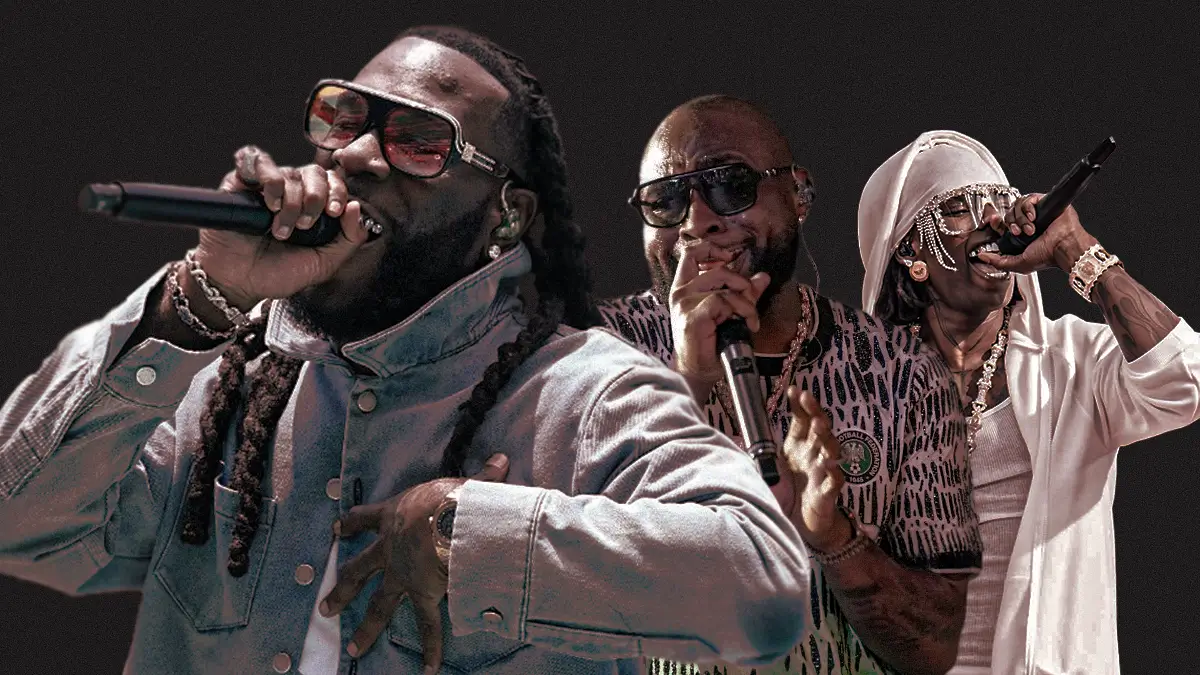
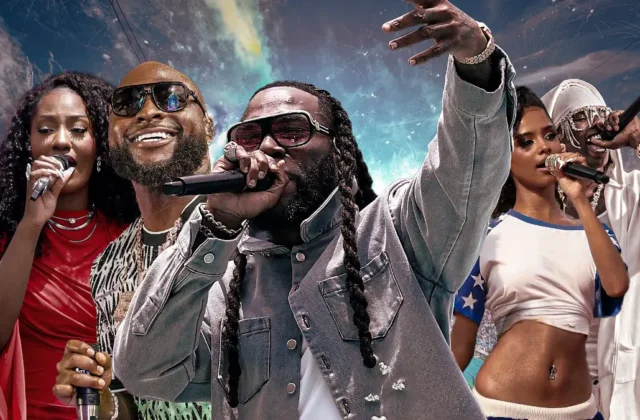
When FIFA needed an anthem to electrify millions, Shakira joined hands with Burna Boy on the headlining anthem “DAI DAI.” FIFA also featured Rema prominently on the official tournament album, working with global superstars LISA and Anitta on “Goals.”
At its core, “DAI DAI” is a masterclass in contemporary Afro-fusion. While it incorporates Latin-pop and dance-pop elements designed for massive global stadiums, the syncopated percussion, deep log drums, and infectious melodic cadence remain unmistakably West African. Burna Boy’s grounded, authoritative vocals don’t just appear on the track; they anchor it, lending a stadium anthem its distinct soul.
However, the song is much more than a hit; it is a complete rewrite of the global sports playbook. For decades, African nations fought to earn their place on the world’s largest stage. They now own the sound. Football may still be played on the pitch, but as the world recently witnessed, global pop culture moves to an African beat.
From the Margins to the Main Stage
Ask anyone to recall an iconic World Cup, and they won’t just describe the goals; they’ll start humming the music. The tournament’s sound always outlives the trophy lift, crossing borders and anchoring our core memories forever.
Burna Boy’s collaboration with Shakira on the World Cup song was a sign of the growing commercial and cultural influence of African artists.
He emerged as one of the world’s most recognisable artists, bringing a genre from Nigerian and African clubs and radio stations to stadiums, streaming charts, and international award shows.
The first person to officially announce the “Dai Dai” song on Twitter (X) was Shakira, who broke the news alongside a teaser video from the Maracanã Stadium on May 7, 2026.
From Maracaná Stadium, here is “Dai Dai,” the @FIFAWorldCup Official Song 2026. Coming 5/14. We’re ready! ⚽️🐺 @burnaboy pic.twitter.com/UcfpO0s7jN
— Shakira (@shakira) May 7, 2026
The song’s success is phenomenal. In less than a month of release, it had over 100 million views on YouTube. This is a collective success for Nigeria and for African music.
But this phenomenon is so much bigger than just one artist getting a big break. It’s proof that the global entertainment rulebook has been rewritten. The corporate gatekeepers no longer have the final say; the fans do. And right now, the world is choosing the African sound.
Global sporting institutions are not embracing Afrobeats for charitable or diversity purposes. They’re embracing it because the audience has.
The Road to the 2026 World Cup
The World Cup did not create Afrobeats’ relationship with global sport. It simply revealed how far that relationship has travelled.
Over the past decade, Nigerian artists have steadily expanded their presence across some of sport’s biggest stages.
Davido became the first Nigerian artist to feature on an official FIFA World Cup soundtrack ahead of the 2022 tournament in Qatar. The song, “Hayya Hayya (Better Together)” dropped alongside Cardona and Aisha. Davido then performed it live at the closing ceremony of the World Cup.
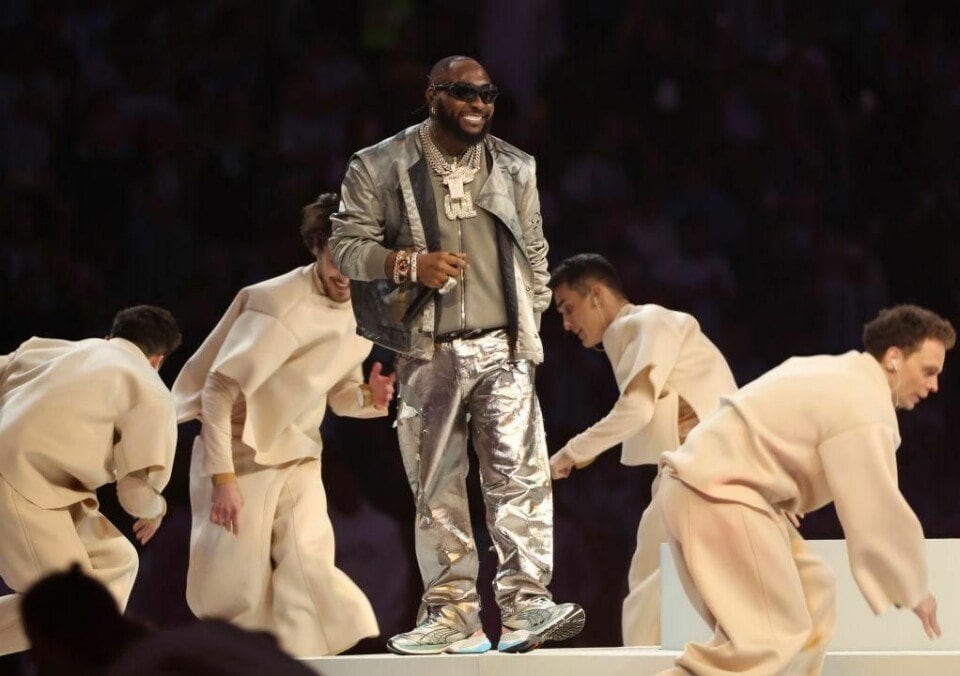
Davido also featured in this year’s World Cup soundtrack with the song, “No Place Like Home”. He worked on the song in collaboration with Major Lazer and Nelly Furtado.
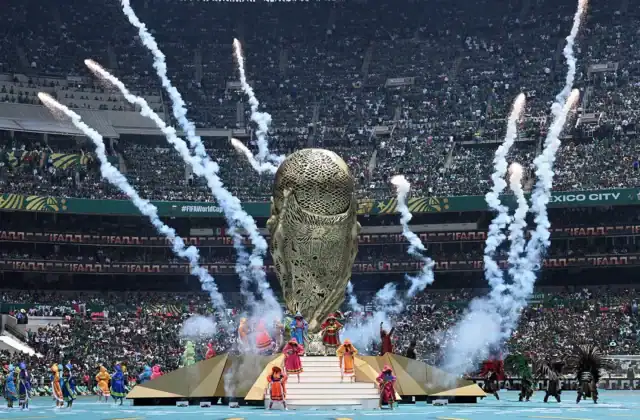
With ‘DAI DAI’, Burna Boy performed at this year’s World Cup opening ceremony alongside Shakira. He went on to become the first Nigerian to perform at the first World Cup final halftime show, when he performed alongside other international stars, including Justin Bibier, Shakira, and BTS.
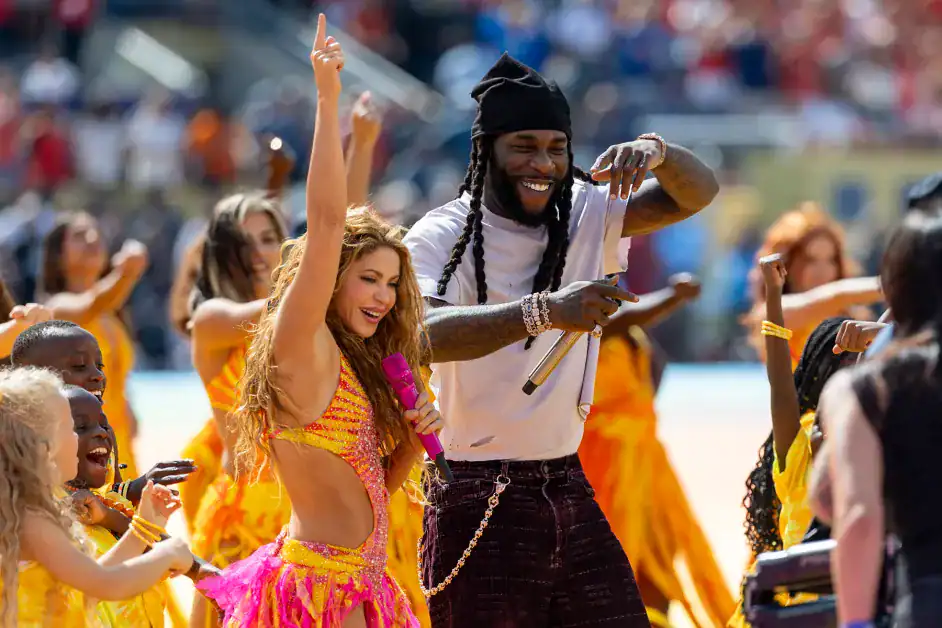
Recently, Burna Boy also got an opportunity to perform at the NBA All-Star Game and the UEFA Champions League Final Kick-Off Show.
Rema performed at the NBA All-Star half-time show before going on to become the first Nigerian artist to perform at the Ballon d’Or event. He also performed at this year’s World Cup opening ceremony.
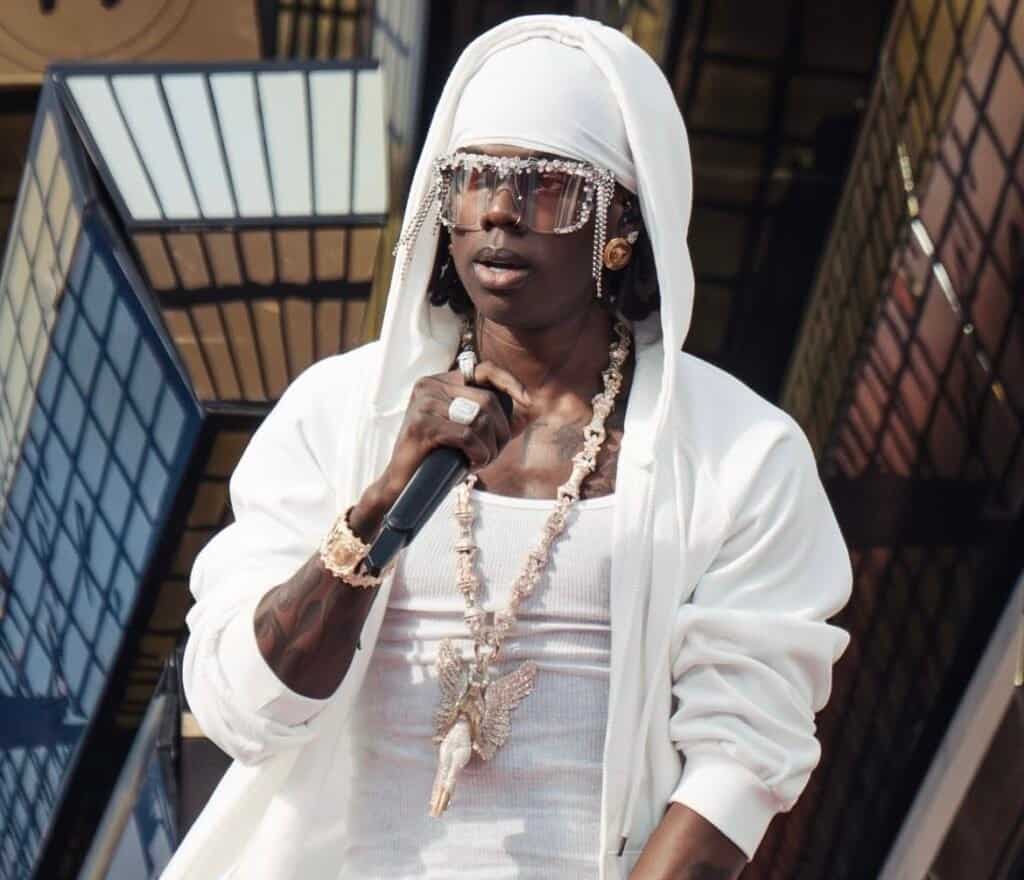
Tems, Femi Kuti, and D’banj have all participated in such instances where Nigerian music was able to make connections with global sporting events.
Viewed individually, those appearances may appear symbolic. Viewed collectively, they reveal a pattern.
Each performance expanded the visibility of Nigerian music within global sport. Each artist helped to normalise the presence of African culture on stages that American and European acts had once dominated. The World Cup did not represent a breakthrough. It represented the latest milestone in a longer journey.
Why Footballers Matter to the Story
You can sense Africa’s energy in international football even before the World Cup begins. On a Tuesday morning, just show up at any top European training facility.
In the most exclusive football locker rooms, Afrobeats has taken over the aux cord, slowly replacing Western pop. From North London to Catalonia, elite performances feature music that is distinctly Nigerian.
- When Arsenal pulled off one of the biggest transfers in English history, they rolled out Odumodublvck’s rap anthem “Declan Rice” to unveil Declan Rice himself.
- Over at Barcelona, teenage prodigy Lamine Yamal was captured hit-for-hit doing the viral dance to Skales’ timeless classic “Shake Body.”
- Inside the dressing rooms of Chelsea, Arsenal, and Manchester City, post-match victory ragers bump to the heavy basslines of Asake, Seyi Vibez, Wizkid, Davido, and Burna Boy.
What started as Nigerian players sharing their home tunes with teammates has snowballed into a global locker-room culture. English, Spanish, and French stars aren’t just listening; they’re learning the lyrics, doing the dances, and blasting Seyi Vibez on their pre-match bus rides.
Afrobeats have become a means of connecting to their heritage for diaspora players.
Thus, there is a feedback loop. Footballers amplify musicians. Musicians celebrate footballers. Together, they help project a modern Nigerian identity to global audiences.
More Than Representation
The simplest way to view Burna Boy, Davido and Rema in the World Cup is as representation. That reading is correct, but it is not the whole truth.
Representation is inclusion, an invitation issued, a seat granted at football’s biggest table. But influence speaks to power. The deeper story is not that three Nigerian artists were invited to take part in the world’s most watched sporting event. It’s that they no longer feel like a novelty or a marketing ploy. It feels like it’s coming.
That distinction matters. For generations, African participation in global culture was often framed as exceptional. Today, African artists are helping shape mainstream culture itself. Another instance of this transition came via the World Cup.
The truth is clear: missing the 2026 World Cup exposed deep cracks in Nigeria’s football system. The Super Eagles watched from home due to administrative chaos, missed chances, bad management, poor infrastructure, and a talent pipeline that consistently lets down world-class players.
But while the team was missing from the pitch, Nigeria still ran the entire show.
Through its global artistes, the nation didn’t just attend the tournament; it dictated the mood. The music blasted through packed stadiums, fan zones, and TV broadcasts worldwide, serving pure energy, resilience, and West African swagger. This wasn’t just background noise; it was the ultimate flex of cultural soft power.
That is the magic of African excellence today: even when the sports system fails, the creative energy is simply too loud to be ignored.
About the Author

0 Comments