
How the 2026 World Cup Created Football’s New Social Media Stars and Put New Nations on the Map
By Wuraola Kola-Ilugbo
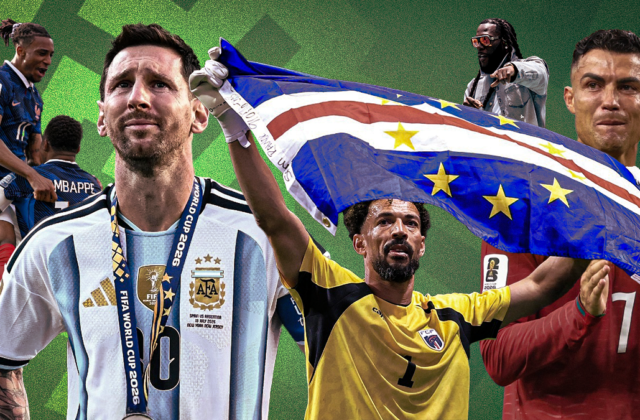
If you had asked someone outside Cape Verde about Vozinha before the 2026 World Cup began, you would have received a blank stare. He was a club stalwart and A Seleção veteran, but was he a household name? Not even close.
Then Spain came to town.
In an unexpected group-stage stalemate, the 40-year-old put on a clinic against the eventual world champions. Stop after stop, he turned a 0-0 draw into appointment viewing.
40 – Cabo Verde's 40-year-old goalkeeper Vozinha is the oldest goalkeeper to keep a clean sheet on his FIFA World Cup debut, making seven saves against Spain.
— OptaJoe (@OptaJoe) June 15, 2026
Heroic. pic.twitter.com/Y5yFXfrKYt
Within hours, the saves were everywhere, clipped, remixed, reposted across Instagram Reels, TikTok, YouTube Shorts, and every football-related page with a pulse. By the end of the tournament, he had gained nearly 30 million new Instagram followers. In just a few weeks, a custodian who had spent his entire career in the background became one of the most well-known figures in World Cup history.’
Cabo Verde goalkeeper Vozinha’s postgame reaction to learning that his Instagram followers increased from 50K to 500K.
— herculez gomez (@herculezg) June 15, 2026
It's now over 2 MILLION 🇨🇻
THE POWER OF THE WORLD CUP! pic.twitter.com/nQRSCcAEs5
But the bigger story was never just about Vozinha. It was about what his rise revealed.
The 2026 FIFA World Cup served as a reminder that the world’s biggest football tournament is no longer just a battle for trophies. It has also become the sport’s most powerful engine for generating global attention, one that can turn players into international brands and introduce entire countries to millions of people who may never have heard of them before.
Cape Verde demonstrated this better than any other nation. Following the island nation’s memorable World Cup campaign, interest in the country surged far beyond football. Travel companies reported a 265% increase in searches for Cape Verde holidays, while online interest from the United States rose dramatically as curious fans sought to learn more about the nation behind one of the tournament’s biggest surprises.
A football tournament had done what even the most ambitious tourism campaigns often fail to do: it had put a small African country at the heart of a global conversation. That was one of the narratives that framed the 2026 World Cup.
While Spain lifted the trophy in New York, another competition was unfolding away from the pitch. There was a lot more at stake than just medals: players were vying for fans, nations were getting international attention, and memorable moments were turning into lucrative opportunities. Modern football has made attention a form of currency, and the FIFA World Cup generates more attention than any other competition.
The Emerging Attention Economy of the World Cup
Superstardom was defined in football using tried-and-true metrics for a long time. Career success was measured in goals, assists, trophies, and medals, and the teams that came out on top at international tournaments were the ones that were remembered.
That formula has evolved. One of football’s most prized possessions in modern times is attention. Players are now evaluated based on both their on-field performance and the fan bases they cultivate outside of games. There has been a recent uptick in the impact of social media metrics like Instagram followers, TikTok views, YouTube clips, and viral moments on sponsorship deals, commercial partnerships, and even an athlete’s marketability.
This change is indicative of a more systemic trend in the sports business. By bypassing the middlemen of broadcasters and newspapers, footballers have become independent media personalities thanks to social media. There is a real, monetizable influence represented by those audiences for clubs, sponsors, and advertisers.
That happens more quickly at the FIFA World Cup than any other competition. Instagram, TikTok, X, and YouTube’s recommendation algorithms, content creators, and highlight pages magnify every incredible save, breathtaking goal, or emotional celebration, allowing it to reach millions within minutes.
For well-known celebrities, the tournament only serves to bolster their already formidable prestige around the world. Something even more valuable it offers to lesser-known players is visibility, which they might otherwise spend years trying to achieve.
Compared to previous tournaments, the 2026 World Cup made this point very evident.
During the course of 39 days and 104 matches, players were not only vying for the ultimate football prize.
The Players Who Won the Internet
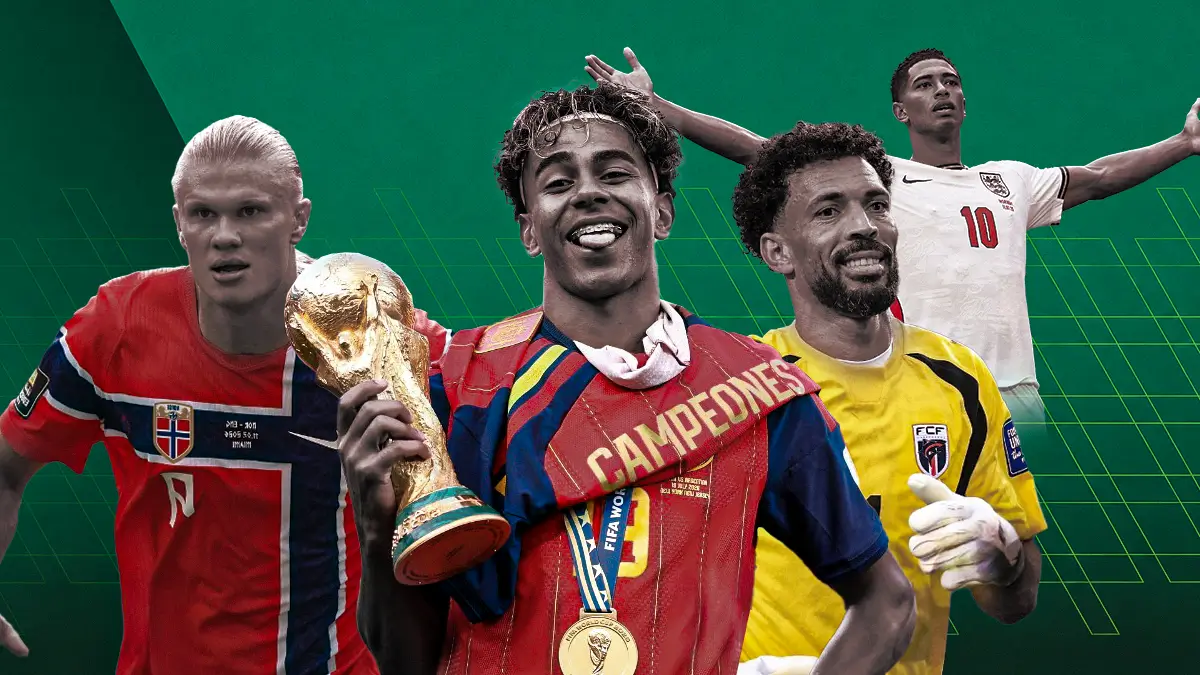
When Spain lifted the World Cup trophy, the tournament’s biggest winner on social media was not one of the champions. It was Norway’s Erling Haaland.
The striker added an astonishing 32.1 million Instagram followers during the tournament, taking his audience from 40.6 million to 72.7 million. Haaland became one of the most prominent figures of the tournament thanks to Norway’s quarterfinal run, his seven goals, and his dominant performances.
Still, the most remarkable story of the tournament was not even generated by Haaland’s astounding growth. That belonged to Vozinha, the Cape Verdean goalkeeper.
He had about 30,000 followers on Instagram ahead of the World Cup. By the end of the tournament, he had added another 29.4 million, becoming one of the fastest growing football personalities the game has ever seen.
Twenty-seven shots faced, seven saves and a man of the match performance were enough to change his life.
“I think it is the most important moment of our lives,” Vozinha had told ESPN Brasil before the tournament. And truly, the World Cup became the most important one for him. Vozinha would go on to be named to the FIFA World Cup Best XI.
Your FIFA Dream XI is here ⭐
— FIFA World Cup (@FIFAWorldCup) July 22, 2026
Your favourite players, chosen by fans around the world. This is the FIFA Dream XI powered by @aramco#FIFAWorldCup #DreamXI
The rest of the tournament’s biggest social media winners reflected a blend of established icons and emerging talent. Jude Bellingham added 12 million new Instagram followers after helping England reach the semi-finals, while Cristiano Ronaldo gained 11.4 million, extending his record-breaking audience to well over 670 million.
World Cup winner Lamine Yamal attracted 11 million new followers as his reputation continued to soar, while Neymar added 7.7 million and Lionel Messi, despite already commanding one of the largest followings in sport, gained another 7.5 million.
Among the tournament’s breakout stars, Mexico’s teenage sensation Gilberto Mora added 6.6 million followers, France’s Michael Olise gained 5.7 million, and Brazil’s Endrick, despite playing only a limited role, still attracted 5.6 million new followers.
The Tournament That Creates New Stars
The World Cup has always produced unlikely heroes. From Roger Milla’s unforgettable performances for Cameroon in 1990 to James Rodríguez announcing himself to the world in Brazil in 2014, football’s biggest tournament has a long history of changing careers in a matter of weeks.
The difference today is that those moments no longer end with the final whistle. They continue online, where millions of fans discover, follow and engage with players long after the tournament has finished.
That trend was accelerated by the 2026 World Cup. Prior to the first game, some of the tournament’s biggest digital success stories were unknown. They came as seasoned pros or bright prospects who were mostly well-known in their leagues. They departed with audiences that many athletes strive to develop over the course of their careers.
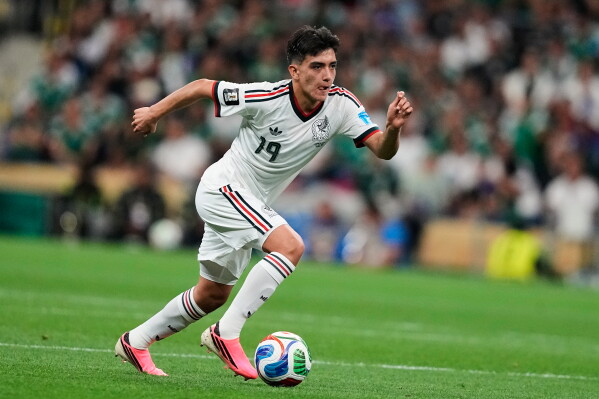
Mexico’s Gilberto Mora was one of them. The 17-year-old travelled to the tournament as one of Mexican football’s brightest prospects, but he returned home with something equally valuable: global recognition. His performances introduced him to millions of fans outside North America, significantly expanding his profile at a stage of his career where visibility can shape everything from sponsorship opportunities to future transfer interest.
France’s Michael Olise experienced a similar rise. Already highly regarded by followers of European football, the winger used the World Cup to introduce himself to a much broader global audience. His vision, creativity and composure in the final third made him one of the tournament’s standout attacking players, but it was his record-breaking playmaking that truly captured attention.
Olise registered seven assists in the World Cup, breaking Pelé’s long-standing record for the most assists in a single FIFA World Cup. The historic achievement cemented his place among the competition’s defining performers, while his surge in social media followers demonstrated how extraordinary moments on football’s biggest stage can rapidly translate into worldwide recognition.
Then there was New Zealand defender Tim Payne, whose story captured a different side of football’s digital age.
Before the tournament, Payne had fewer than 5,000 Instagram followers. His dramatic rise had little to do with spectacular goals or headline-making performances.
Instead, it began when Argentine content creator El Scarso identified him as the least-known player at the World Cup. What started as an internet joke soon became a global campaign, with thousands of football fans following Payne simply to celebrate one of the competition’s most unlikely participants.
It was a reminder that today’s football stories are not created solely by broadcasters or newspapers. Fans create them too.
The World Cup is no longer just a sporting event watched by billions. It is one of the world’s largest content ecosystems, where footballers, creators, fans and algorithms combine to shape global conversations in real time. Every memorable moment has the potential to travel across continents within minutes, reaching audiences that previous generations of footballers could never have imagined.
For emerging players, that visibility can be career-changing. For smaller football nations, it can be nation-changing.
When Attention Becomes Economic Value
For years, social media followers were dismissed as little more than vanity metrics. In football today, that view is increasingly outdated. Attention has become an economic asset.
The 2026 FIFA World Cup demonstrated just how valuable that asset has become. Across Meta’s platforms alone, players who participated in the tournament collectively gained more than 213 million new Instagram followers in a single month. The surge reflected more than popularity; it represented a dramatic expansion of the audiences that players, clubs and commercial partners can now reach directly.
That shift has changed the business of football. Sponsors no longer evaluate athletes solely on goals scored or trophies won. They also consider reach, engagement and influence.
A player with a large, active audience can introduce a brand to millions of potential customers within minutes, making digital visibility an increasingly valuable part of an athlete’s commercial profile. Sports marketing analysts now describe major tournaments as accelerators of personal brands because they compress years of audience growth into just a few weeks.
The World Cup remains the most powerful stage for that transformation because it gathers billions of viewers around a single event. Unlike domestic leagues, which spread attention over an entire season, the tournament concentrates global interest into a few unforgettable weeks.
One outstanding performance, one emotional celebration or one viral moment can introduce a player to audiences far beyond the reach of club football.
What Africa Should Learn From This
For decades, African football has measured World Cup success through familiar questions.
How many countries qualified? How many reached the knockout stages? Did an African team finally break into the semi-finals or challenge for the trophy?
Those questions remain important. But the 2026 World Cup suggested that they are no longer enough.
The tournament showed that qualification is not only about sporting achievement. It is also about visibility, reputation and influence. Countries that perform well on football’s biggest stage do more than improve their FIFA ranking. They place themselves before billions of viewers, creating opportunities that extend into tourism, business, culture and investment.
Cape Verde illustrated the point vividly. Its remarkable campaign generated worldwide curiosity that extended beyond football. That is an important lesson for African football.
Imagine if every African federation approached the World Cup with a broader strategy.
Imagine tourism agencies, cultural institutions and investment promotion bodies working alongside football federations to ensure that global interest in the national team also translates into interest in the country itself.
The World Cup should not be viewed solely as a sporting event for African nations looking to build their international profile. It is one of the world’s biggest platforms for nation branding, cultural diplomacy and soft power.
The countries that understand this change will leave future tournaments with much more than memories of winning or losing matches. They will walk away with something far more lasting: a bigger voice in the global conversation.
Beyond the Trophy
Spain will be remembered as the champions of the 2026 FIFA World Cup. History will record Lamine Yamal lifting the trophy and Rodri winning the tournament’s Golden Ball.
But the tournament produced many other winners. Erling Haaland left with tens of millions of new followers and an even stronger global profile. Vozinha became one of the most recognisable goalkeepers in world football, despite never having reached the latter stages of the competition. Teenagers like Gilberto Mora introduced themselves to audiences that stretched far beyond their domestic leagues.
Cape Verde, meanwhile, achieved something few countries of its size could ever buy through conventional advertising: it captured the world’s attention. That may be one of the tournament’s most enduring legacies.
Attention is a currency in today’s game; it’s volatile, global, and can change things. For a player, the right time and place can change the course of their career. One good run can change how the whole world sees a country.
About the Author

0 Comments